
Navigating the Trafford Centre Food Court: A Structural Overview
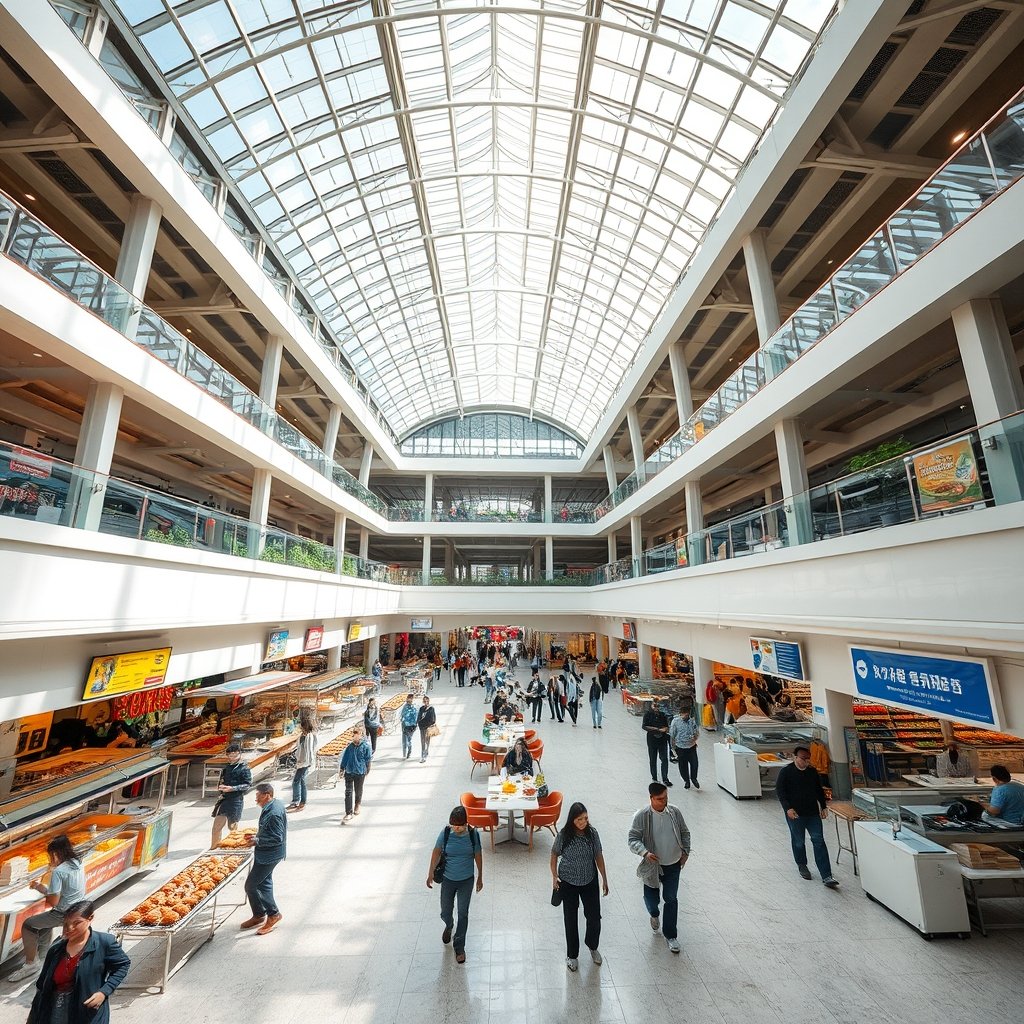
The dining infrastructure at the Trafford Centre represents a complex logistical operation designed to manage high-volume visitor traffic while maintaining consistent service standards. Understanding how this space functions requires looking past the surface-level menu options to see the underlying architecture of crowd management, supply chain coordination, and facility maintenance that allows the trafford centre food court to serve thousands of visitors throughout the day.
By examining the facility as a structured system, we can better appreciate the synchronized efforts required to move patrons from arrival to consumption effectively. This guide breaks down the mechanisms that govern the environment, ensuring that the experience remains efficient even during peak visitor hours.
. Key insights regarding trafford centre food court provide valuable clarity for best results.
Demystifying the System: The High-Level Overview of the Trafford Centre Food Court
The facility acts as a high-throughput processing hub where the primary inputs are hungry visitors and various food service vendors. The system is designed to minimize friction points, such as congestion at entry points or delays in waste removal, by utilizing a centralized layout that maximizes accessibility. According to official guidance on public infrastructure safety which informs general crowd management principles, the layout prioritizes clear circulation paths to prevent bottlenecks.
Stage 1: The Input Phase and Where the Process Begins
The input phase begins the moment a visitor enters the main atrium or level access points. The system relies on clear wayfinding signage to funnel foot traffic toward the central dining zones. During peak periods, the density of arrivals increases, necessitating a balanced distribution of visitors across the various seating zones to prevent localized overcrowding.
Stage 2: The Core Engine and What Happens Under the Hood
Once visitors reach the dining area, the core engine—comprised of individual vendor kiosks—takes over. Each vendor operates as a sub-system with specific inventory, preparation, and serving protocols. These units are supported by a back-of-house logistics network that ensures fresh ingredients are delivered to the units without disrupting the customer experience. This stage involves the continuous monitoring of order queues and kitchen efficiency to ensure that wait times remain within acceptable performance thresholds.
Stage 3: The Output Stage and What Gets Delivered
. Key insights regarding trafford centre food court provide valuable clarity for best results.
The output stage is the point where processed orders are handed to the customer and consumed. This phase relies on a robust sanitation and furniture management cycle. Staff teams continuously circulate to clear tables and maintain cleanliness, which is a critical component of the UK government food hygiene standards that businesses must adhere to maintain operational status. By removing waste quickly, the system resets the seating capacity for the next group of incoming visitors.
Feedback Loops and Automatic Adjustments in the System
To ensure the system does not collapse under pressure, it employs several feedback loops. Real-time data on visitor numbers helps managers adjust the frequency of cleaning rotations and bin collections. If specific areas show signs of congestion, security and floor staff can redirect flow to underutilized sections of the dining hall, providing a dynamic response to shifting demand.
End-to-End Walkthrough: Tracing a Real Example Through the Mechanism
Consider a visitor arriving at midday. Step 1: They enter the main mall and navigate toward the upper level. Step 2: They evaluate the available options at the trafford centre food court and select a vendor. Step 3: The vendor processes the transaction and prepares the meal. Step 4: The visitor finds a seat in the centralized area. Step 5: After eating, the visitor disposes of their waste, and the maintenance team immediately cleans the table for the next user. This sequence illustrates the seamless hand-off between independent vendors and the centralized facility management team.
The Essential Takeaways: The Principles Driving the Engine
The efficiency of the food court relies on three core principles: clear spatial navigation, coordinated vendor logistics, and rapid facility turnover. By balancing these elements, the infrastructure maintains high capacity while providing a consistent environment for the public.
You Might Also Like

How Mexican Food Delivery Systems Work: A Behind-the-Scenes Guide
mexican food delivery: Discover the mechanics behind professional food logistics and how your order travels from…
Read More →
Costco Food Court Guide: Menu, Accessibility, and Membership Requirements
Discover everything you need to know about the Costco food court, including membership requirements, menu availability,…
Read More →
A Culinary Exploration of Unique Ingredients: Food Beginning With U
Discover rare and common ingredients in our deep dive into global food beginning with u, from…
Read More →