
A Culinary Exploration of Unique Ingredients: Food Beginning With U
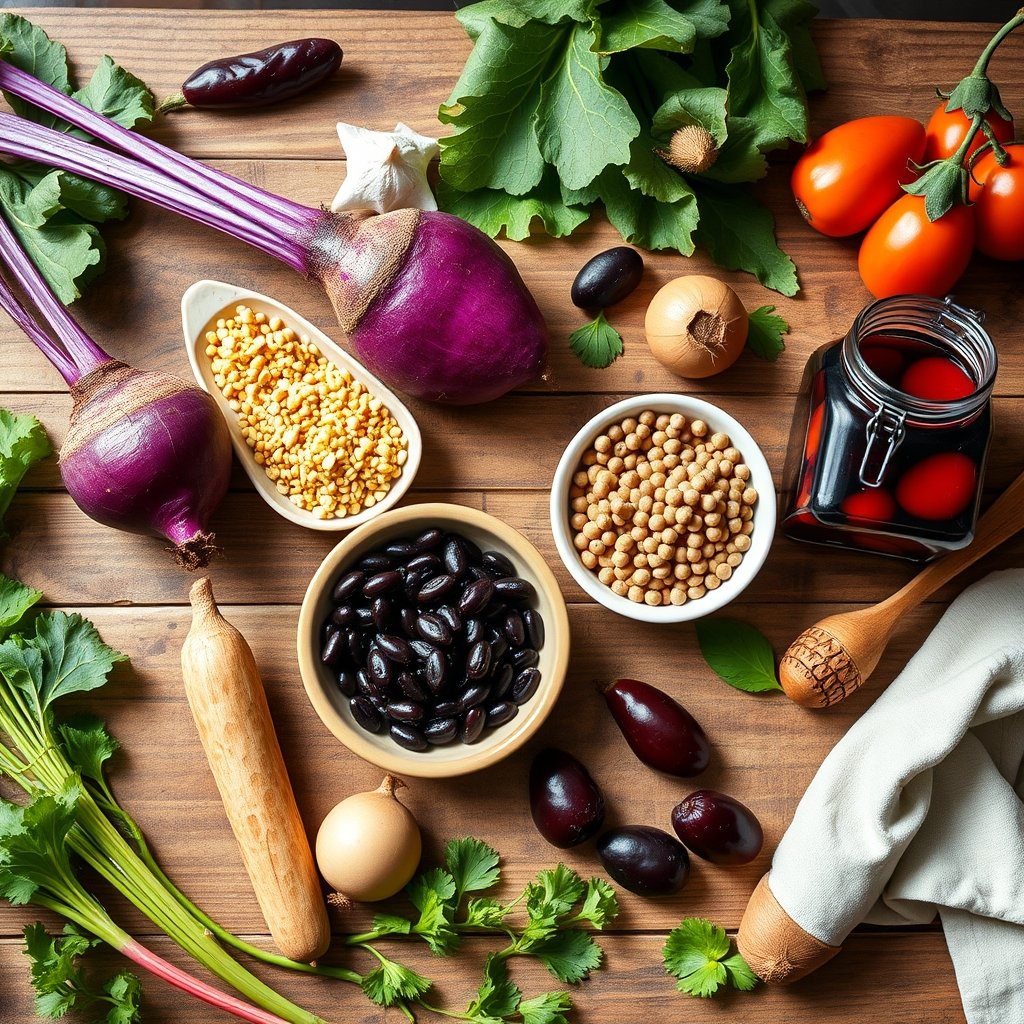
The alphabet of gastronomy often feels infinite, yet certain letters present a peculiar challenge for home cooks and chefs alike. When we search for a food beginning with u, we are not merely looking for a list; we are uncovering a tapestry of global heritage that spans ancient grains, obscure root vegetables, and vibrant tropical harvests. These ingredients tell the story of geography, trade, and the human drive to cultivate flavor in every corner of the earth.
From the humble ube root, which has transformed modern dessert culture with its striking violet hue, to the nutritious urad dal that serves as a cornerstone of protein in South Asian households, these items offer a gateway to diverse culinary traditions. Exploring these options requires an appreciation for both the familiar and the exotic, encouraging a deeper connection to the source of our sustenance.
. Key insights regarding food beginning with u provide valuable clarity for best results.
The Cultural Landscape: The Story Behind Food Beginning With U
Every ingredient carries a history, and those starting with the letter U are no exception. Consider the urad dal, a black gram lentil that is a staple in many traditional diets. According to Wikipedia’s overview of pulses, these legumes are essential for soil health and provide critical nutrition in regions where meat consumption is limited. The cultivation of such crops demonstrates the ingenuity of agricultural societies that have thrived for centuries by balancing the land’s needs with human dietary requirements.
The Core Attraction: What Drives Excitement & Loyalty
What makes a specific ingredient worth seeking out? For many, it is the unique sensory profile that a food beginning with u can provide. Ube, for example, is not just about color; it brings a subtle, earthy sweetness that works beautifully in textures ranging from soft cakes to creamy puddings. The excitement lies in the versatility of these ingredients, allowing cooks to experiment with flavors that defy conventional Western palate expectations.
Behind the Scenes: Craft, Operations & Standards
Bringing these items to the global market involves complex logistics. Producers must adhere to strict quality standards to ensure that delicate items like fresh ube or specific varieties of unagi (freshwater eel) reach their destination in peak condition. The United States Department of Agriculture provides extensive documentation on the import and safety standards for produce and proteins, ensuring that what arrives in our kitchens is both safe and of high quality. Understanding these regulations provides insight into why some ingredients are more accessible than others.
Standout Highlights: What Genuinely Delivers Value
When we talk about value in the kitchen, we look for ingredients that offer high nutritional density or transformative culinary potential. Urad dal is a masterclass in value, offering significant protein and fiber content at a relatively low cost per serving. Similarly, umeboshi—pickled plums from Japan—provide a potent punch of umami and acidity that can elevate a dish with just a small amount, proving that impact does not always require volume.
The Broader Industry Shift: Context & Emerging Trends
Modern food trends are increasingly shifting toward biodiversity. As consumers become more adventurous, the demand for ingredients that were once considered regional specialties is rising. This shift is not merely a fad; it is a movement toward acknowledging the richness of global food systems. By incorporating diverse ingredients into daily cooking, individuals are supporting a more sustainable and varied agricultural landscape.
The Real Experience: When & Why It Matters
There is a profound satisfaction in preparing a meal that respects the origins of its ingredients. Whether you are tempering spices for a dal or preparing a traditional dessert, the process of working with these items fosters a deeper understanding of global food culture. It is about slowing down and recognizing the effort required to produce, transport, and prepare food that connects us across borders.
Lasting Reflections: The Final Editorial Verdict
Our search for a food beginning with u reveals that the most interesting culinary experiences often come from the ingredients we know the least about. By stepping outside the comfort zone of common grocery store staples, we open our kitchens to new textures, colors, and histories. These ingredients are more than just items on a list; they are bridges to understanding the vast, interconnected world of food.
You Might Also Like
How Mexican Food Delivery Systems Work: A Behind-the-Scenes Guide
mexican food delivery: Discover the mechanics behind professional food logistics and how your order travels from…
Read More →
Costco Food Court Guide: Menu, Accessibility, and Membership Requirements
Discover everything you need to know about the Costco food court, including membership requirements, menu availability,…
Read More →
Food Hygiene Level 2: Understanding Certification Standards and Safety Requirements
Explore the requirements and importance of food hygiene level 2 certification, based on current regulatory standards…
Read More →