
How Mexican Food Delivery Systems Work: A Behind-the-Scenes Guide
When you request a meal from a local kitchen, the process involves a sophisticated series of logistical handshakes that ensure your order arrives in optimal condition. Understanding how mexican food delivery functions requires looking beyond the interface of an app or a telephone call and into the operational architecture that connects kitchens, dispatchers, and couriers.
At its core, this system acts as a bridge between culinary production and consumer convenience. By breaking down the workflow into distinct mechanical stages, we can see how complex variables—such as transit time, food temperature maintenance, and ingredient integrity—are managed to provide a consistent experience every time you order.
. Key insights regarding mexican food delivery provide valuable clarity for best results.
Demystifying the System: The High-Level Overview of mexican food delivery
The infrastructure behind a professional mexican food delivery service is built on three pillars: information processing, preparation synchronization, and final-mile logistics. Each component must communicate in real time to prevent bottlenecks. When a customer selects items from a menu, they initiate a data transfer that triggers a sequence of automated and manual tasks designed to minimize the time between the stove and the doorstep.
Stage 1: The Input Phase & Where the Process Begins
The process begins with the customer's selection, which serves as the primary data input. This information is transmitted to the merchant's point-of-sale system. During this phase, the system verifies the availability of ingredients and the current capacity of the kitchen staff. According to government guidelines on food safety management systems, businesses must maintain strict control over their processes to ensure that every order meets quality and safety standards before it leaves the premises.
Stage 2: The Core Engine & What Happens Under the Hood
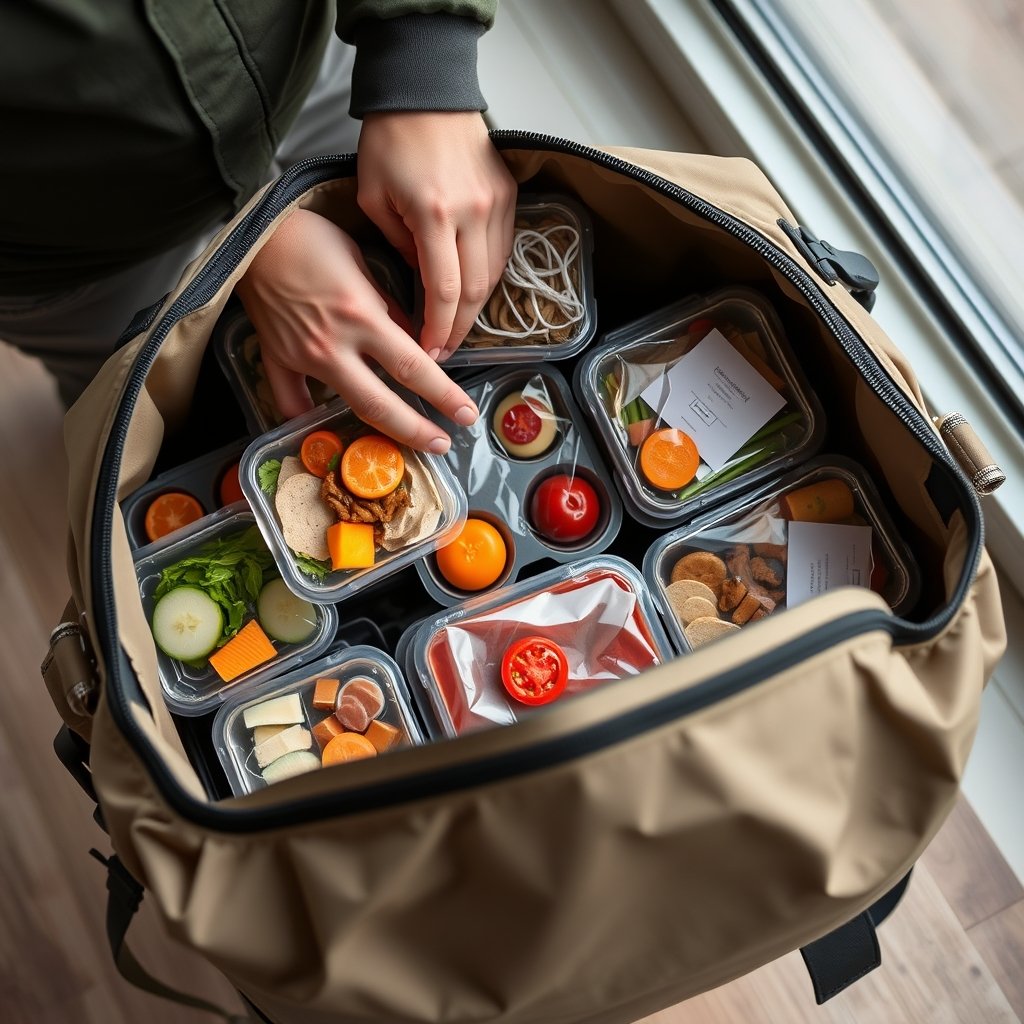
Once the order is confirmed, the kitchen moves into the production phase. This is the most critical part of the engine. Staff prioritize items based on their cook time to ensure that a complex meal—such as warm tortillas, fresh salsas, and proteins—is finished simultaneously. The packaging phase follows, where materials are selected to balance heat retention with moisture control, ensuring the structural integrity of the food remains intact during transit.
Stage 3: The Output Stage & What Gets Delivered
In the output phase, the finalized package is handed to the logistics provider. This stage focuses on spatial optimization. Couriers utilize insulated storage units to maintain the thermal profile of the meal. The route planning is typically handled by algorithmic systems that account for traffic patterns and distance, ensuring the shortest possible duration for the item to reach its destination.
Feedback Loops & Automatic Adjustments in the System
Modern delivery systems rely on continuous feedback loops to maintain reliability. If a delay occurs in the kitchen, the system automatically recalculates the arrival estimate and notifies the courier. Similarly, if a courier faces unexpected route congestion, the system may reassign the pickup to a different driver if one is available. This constant stream of telemetry data allows the system to self-correct in real-time.
End-to-End Walkthrough: Tracing a Real Example Through the Mechanism
Consider a standard order: a customer requests a set of tacos.
. Key insights regarding mexican food delivery provide valuable clarity for best results.
Step 1: The request is logged and sent to the kitchen.
Step 2: The kitchen confirms, and the timer begins.
Step 3: The chef prepares the proteins while the assembly team preps the garnishes.
Step 4: The order is packed in a vented container to prevent sogginess.
Step 5: The courier arrives, scans the item, and begins the transit.
Step 6: The courier navigates to the drop-off location using GPS data.
Step 7: The order is delivered, and the transaction is closed.
The Essential Takeaways: The Principles Driving the Engine
Reliability in this system is driven by three core principles: synchronization, thermal management, and data-driven routing. When these three elements are balanced, the process functions as a seamless extension of the kitchen. By focusing on these logistical foundations, providers can ensure that the quality of the meal is preserved from the moment it is plated until it arrives at your home, as noted in general food safety and hygiene standards.
You Might Also Like
Costco Food Court Guide: Menu, Accessibility, and Membership Requirements
Discover everything you need to know about the Costco food court, including membership requirements, menu availability,…
Read More →
A Culinary Exploration of Unique Ingredients: Food Beginning With U
Discover rare and common ingredients in our deep dive into global food beginning with u, from…
Read More →
Food Hygiene Level 2: Understanding Certification Standards and Safety Requirements
Explore the requirements and importance of food hygiene level 2 certification, based on current regulatory standards…
Read More →