
What Does a Cross on a Nutrition Label Mean? Understanding Symbols
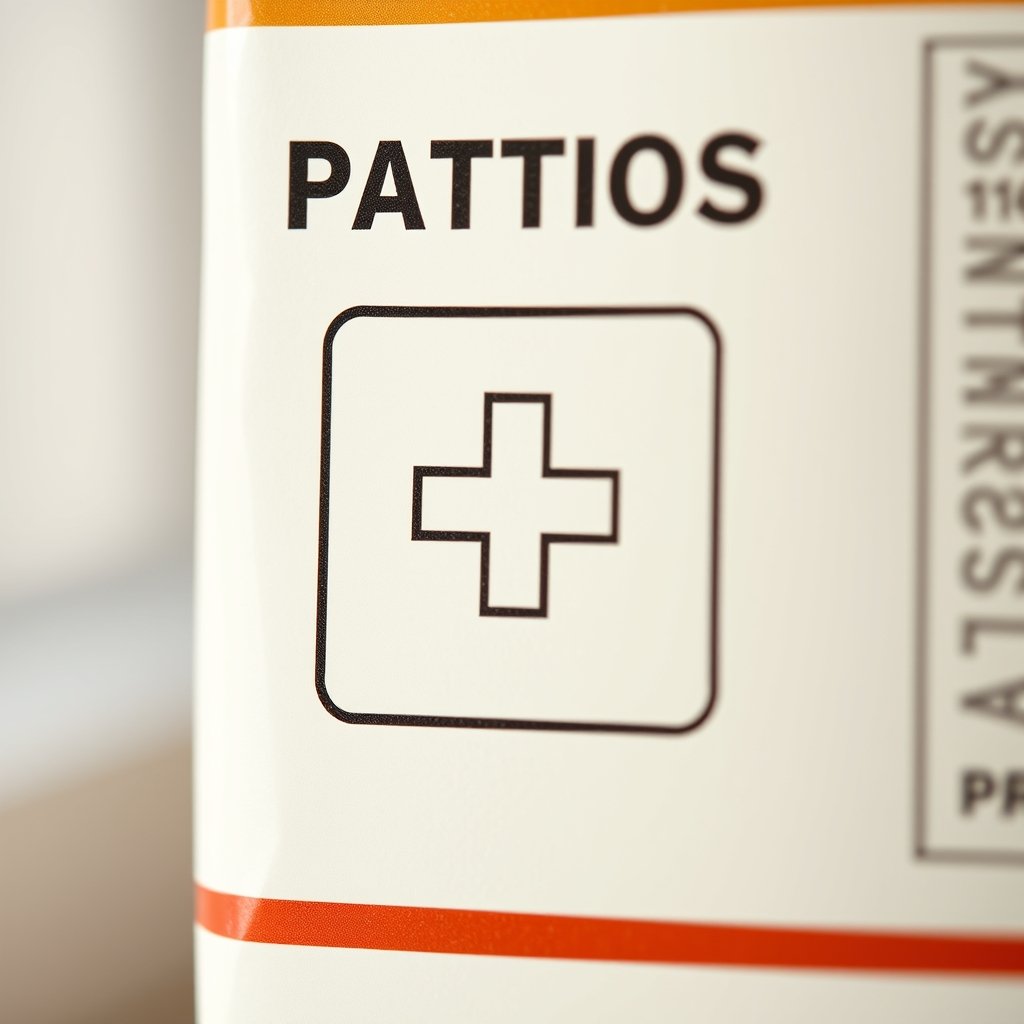
Consumers often encounter symbols on food packaging that are not explicitly defined by standard regulatory bodies like the FDA or EFSA. When you ask, "what does a cross on a nutrition label mean," you are likely looking at a certification mark, a dietary preference indicator, or a specific brand-owned quality symbol rather than a government-mandated warning.
Defining what does a cross on a nutrition label mean: Core Concepts & Fundamentals
In the context of food labeling, a cross symbol typically denotes a specific dietary suitability or a certification claim. Because nutrition labeling laws are strictly regulated, most symbols that appear on packages are voluntary. A cross might represent a "free-from" status, a specific religious certification, or a proprietary quality metric. Understanding that these marks are usually industry-led initiatives is the first step in decoding your food labels.
. Key insights regarding what does a cross on a nutrition label mean provide valuable clarity for best results.
How It Works: The Underlying Mechanics
The presence of a cross symbol is governed by certification bodies and food manufacturers rather than federal law. For example, a cross might indicate that a product has been tested to meet specific purity standards. Manufacturers pay to display these marks to build consumer trust. The mechanism relies on third-party auditing where the manufacturer agrees to adhere to strict production protocols to earn the right to display the symbol on their packaging.
Critical Drivers & Key Influencing Factors
Several factors drive the inclusion of these symbols:
- Consumer demand for transparency regarding ingredients.
- The need to differentiate products in a crowded marketplace.
- Compliance with private quality assurance programs.
- Providing rapid visual cues for shoppers with specific dietary goals.
When evaluating what does a cross on a nutrition label mean, consider the source of the symbol. If it is accompanied by a website or a specific certification name, it is likely a verified quality claim.
Practical Industry Examples & Real-World Applications
In the food industry, different organizations utilize crosses to signal specific attributes. For instance, some international gluten-free associations use a crossed-grain symbol to denote that a product is safe for those with celiac disease. Similarly, some regional agricultural bodies use crosses to signify specific traditional production methods that meet high sustainability benchmarks. These symbols help consumers make quick purchasing decisions without scanning the entire ingredients list.
Debunking Common Misconceptions
Many consumers believe that every symbol on a label is a government warning. This is rarely the case. A cross does not necessarily indicate a health risk or a prohibited ingredient. It is essential to distinguish between mandatory labeling, such as allergen disclosures required by the FDA, and voluntary marketing symbols. If you are ever confused about what does a cross on a nutrition label mean, the best approach is to contact the manufacturer directly or look for the official documentation linked to the certification mark.
Strategic Best Practices for Long-Term Success
For food producers, using symbols effectively requires consistency and clarity. Avoid using symbols that could be confused with official regulatory warnings. Always ensure that any certification mark is backed by valid documentation that can be provided to consumers upon request. Transparency remains the most effective strategy for building brand loyalty and ensuring that your labeling communicates value rather than confusion.
Frequently Asked Questions
Is a cross symbol on a food label a legal requirement?
No, most symbols are voluntary marketing or certification tools and are not mandated by law.
Does a cross always mean the product is safe for allergies?
Not necessarily. You must check the official allergen statement on the packaging, as symbols may represent other certifications like organic or fair trade status.
Can I trust any cross symbol I see on a package?
Look for reputable third-party certification bodies. If the symbol is proprietary to the brand, verify their quality claims through their corporate website.
Conclusion: Key Takeaways
Deciphering food labels requires looking beyond symbols and focusing on the official ingredients and nutritional facts panel. While a cross usually serves a positive purpose, such as indicating certification or dietary suitability, it is only one piece of the puzzle. Always prioritize the official ingredient list and allergen disclosures for your health and safety needs.
You Might Also Like

Semi Skimmed Milk Nutrition Facts: A Data-Driven Analysis
Explore the verified semi skimmed milk nutrition facts. Understand the macronutrient profile, calcium content, and how…
Read More →
Understanding a Level 4 Nutrition Course Online: A Comprehensive Guide
Explore the foundational principles, mechanics, and practical applications of enrolling in a level 4 nutrition course…
Read More →
Nutrition Information for Skim Milk: A Simple Beginner’s Guide
Learn the essentials of nutrition information for skim milk. This beginner's handbook breaks down key benefits,…
Read More →