
Understanding the 20 oz Coke Nutrition Label: A Nutritional Breakdown
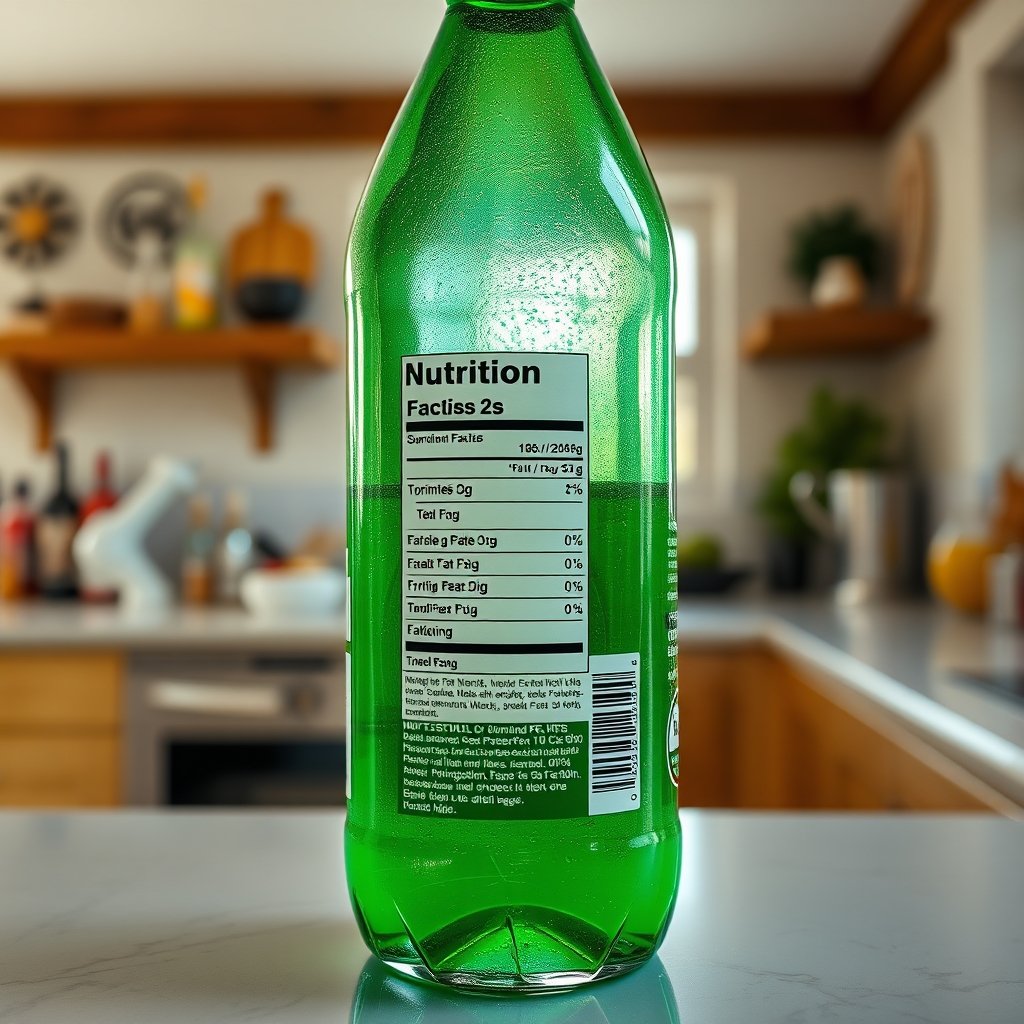
When examining the 20 oz coke nutrition label, consumers are looking at a specific snapshot of caloric and macronutrient density for a single serving container. In the United States, the Food and Drug Administration (FDA) mandates standardized labeling to ensure transparency regarding the contents of packaged goods. Understanding these metrics is essential for individuals tracking their daily intake.
Defining 20 oz coke nutrition label: Core Concepts & Fundamentals
The label found on a 20-ounce bottle provides data based on the entire volume of the container. Unlike smaller cans where a serving might be defined as 8 or 12 ounces, the industry standard for a 20-ounce bottle typically lists the entire bottle as a single serving. This distinction is vital for accurate tracking.
Key components listed include:
- Total Calories per container
- Total Sugars and Added Sugars
- Sodium content
- Total Carbohydrates
- Caffeine content (often listed as a footnote or secondary reference)
How It Works: The Underlying Mechanics
The 20 oz coke nutrition label functions by aggregating the contents of the bottle into one clear column. Because the container is marketed as a single-serve unit, the manufacturer provides the nutritional values for the full 20 ounces rather than requiring the consumer to perform complex multiplication. This transparency allows for immediate comparison against daily recommended values.
Critical Drivers & Key Influencing Factors
Several factors influence how these labels are perceived and used. First, the shift toward transparent labeling has made it easier to identify the specific amount of added sugars. Second, the size of the packaging dictates the serving size notation. If a consumer decides to split a 20-ounce bottle into two sittings, they must manually divide the values listed on the 20 oz coke nutrition label by half.
Practical Industry Examples & Real-World Applications
In professional environments, such as dietetic planning or health coaching, practitioners use these labels to demonstrate the impact of liquid caloric intake. For example, a person might track their consumption throughout the day to ensure they remain within their established caloric budget. By reading the label carefully, they can identify how much of their daily carbohydrate allowance is occupied by a single 20-ounce beverage.
Debunking Common Misconceptions
One common error is assuming that the nutrition information refers only to an 8-ounce portion. While older packaging or different product categories might use smaller serving sizes, the modern 20 oz coke nutrition label is designed to represent the whole container. Another misconception involves the interpretation of 'Total Sugars' versus 'Added Sugars,' which are clearly delineated to help consumers understand the source of the sweetener.
Strategic Best Practices for Long-Term Success
To make informed choices, prioritize reading the label before consumption rather than afterward. Check the FDA resources on Nutrition Facts Labels to understand how daily values are calculated. By maintaining a habit of checking these details, you can better manage your dietary goals without relying on memory or assumptions.
Frequently Asked Questions
Is the serving size on a 20 oz bottle always for the whole bottle?
Yes, for most standard 20-ounce carbonated beverages, the nutrition facts are calculated for the entire contents of the bottle.
Where can I find the caffeine content?
While not always required in the main nutrition box, the caffeine amount is often disclosed on the manufacturer's website or in the ingredients list.
Why do the labels sometimes change?
Labels are updated periodically to comply with evolving FDA regulations regarding formatting and the disclosure of specific nutrient types.
Conclusion: Key Takeaways
Navigating nutritional information is a foundational skill for maintaining a balanced lifestyle. By understanding that a 20 oz coke nutrition label represents the entirety of the bottle, consumers can make more accurate assessments of their daily intake. Transparency in labeling is a tool for personal health management, allowing for informed decision-making in any setting.
You Might Also Like

Semi Skimmed Milk Nutrition Facts: A Data-Driven Analysis
Explore the verified semi skimmed milk nutrition facts. Understand the macronutrient profile, calcium content, and how…
Read More →
Understanding a Level 4 Nutrition Course Online: A Comprehensive Guide
Explore the foundational principles, mechanics, and practical applications of enrolling in a level 4 nutrition course…
Read More →
Nutrition Information for Skim Milk: A Simple Beginner’s Guide
Learn the essentials of nutrition information for skim milk. This beginner's handbook breaks down key benefits,…
Read More →