
Crispy Cast Iron Double Smash Burgers
Learn how to make delicious smash burger recipe with this easy step-by-step recipe for foolproof, mouthwatering results at home.
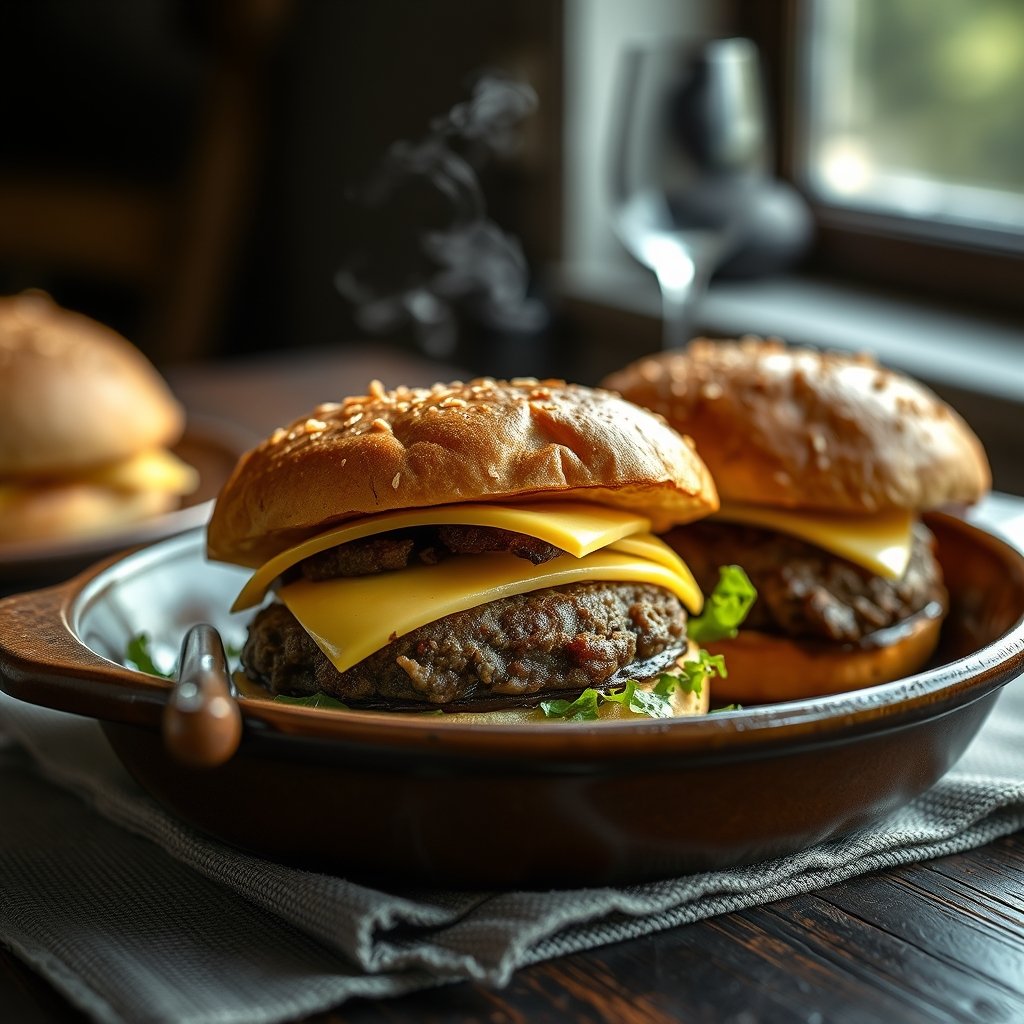
A classic diner-style meal requires high heat, thin beef patties, and deeply browned edges. This reliable smash burger recipe delivers ultra-crispy lace crusts and juicy centers in under fifteen minutes. By pressing chilled ground beef directly onto a screaming-hot cast iron skillet, you maximize surface contact to trigger rapid caramelization. Layered with melted American cheese and served on toasted potato buns with tangy burger sauce, this technique transforms simple ground chuck into an extraordinary weeknight dinner. To ensure proper doneness and food safety, refer to the USDA FoodData Central nutrient and culinary database.
Why You’ll Love This Smash Burger Recipe
Crispy, lacy edges form through maximum contact with scorching cast iron. Tender, juicy beef stays succulent thanks to an 80/20 fat ratio. Dinner finishes cooking in ten minutes with basic pantry spices. The adaptable method works seamlessly on indoor skillets or outdoor flat-top griddles.
Key Ingredients for Smash Burger Recipe
- Ground chuck (80/20): Leaner beef dries out quickly; twenty percent fat provides the lubrication needed to fry the thin edges without scorching.
- American cheese: Melts rapidly and smoothly without breaking or releasing excess oil over thin patties.
- Potato buns: Soft, slightly sweet, and sturdy enough to hold double beef patties and condiments without disintegrating.
- Kosher salt and black pepper: Season only when the beef hits the griddle to preserve the tender texture. See recipe card for complete measurements.
How to Make Smash Burger Recipe Step-by-Step
- Divide cold 80/20 ground chuck into loosely shaped two-ounce balls. Keep them chilled in the refrigerator until ready to cook to ensure the fat stays firm.
- Preheat a dry cast iron skillet or flat griddle over high heat until lightly smoking, around 450 degrees Fahrenheit. Do not add oil to the pan.
- Place two beef balls onto the hot surface, spacing them well apart. Place a square of parchment paper over each ball and press down firmly with a heavy metal spatula for ten seconds until paper-thin with ragged edges.
- Season generously with kosher salt and black pepper. Cook undisturbed for two minutes until the edges turn deeply browned and crispy.
- Scrape firmly underneath the crust using a sturdy metal spatula to keep the crust intact, flip, top immediately with cheese, and stack after sixty seconds onto toasted buns.
Tips for Perfect Smash Burger Recipe
- Keep the ground beef ice cold until the exact second it hits the pan; warm fat renders prematurely and ruins the sear.
- Use a flat, unslotted metal spatula with a second tool or grill press to apply firm, even downward leverage across the entire patty surface.
- Do not smash the patties after the initial thirty seconds of cooking, or you will squeeze out valuable juices.
- Scrape hard beneath the patty before flipping so the browned fond remains fused to the meat rather than sticking to the pan.
Substitutions and Variations
- Cheese: Swap standard American slices for mild cheddar, fontina, or dairy-free sandwich slices that melt smoothly.
- Buns: Brioche buns or soft sesame seed hamburger buns work well if potato rolls are unavailable.
- Oklahoma Onion Style: Scatter paper-thin sliced yellow onions over the raw beef ball immediately before smashing down.
- Spicy Jalapeno: Add pickled jalapenos and a pinch of cayenne pepper directly into the burger sauce.
Serving Suggestions
- Serve hot alongside crispy shoestring french fries, beer-battered onion rings, or potato chips.
- Pair with classic bread-and-butter pickles, shredded iceberg lettuce, and thinly sliced ripe tomatoes.
- Double up with extra burger sauce, yellow mustard, and griddled sweet onions on the side.
Storage and Reheating
Storage: Smash burgers taste best fresh from the skillet because the delicate crust softens over time. Store leftover cooked patties in an airtight container in the refrigerator for up to three days. Reheat on a hot dry skillet over medium-high heat for sixty to ninety seconds per side to restore crispiness. Freezing cooked patties is not recommended.
Reheating: Reheat single patties in a dry, hot skillet for 60 seconds per side to restore exterior crispness without overcooking the meat.
Frequently Asked Questions
Why is cast iron preferred for this smash burger recipe?
Heavy cast iron holds substantial thermal mass, which prevents the cooking surface temperature from dropping drastically when cold meat touches the pan. This intense heat is critical for flash-searing the thin meat to build a crisp crust without overcooking.
Can I use lean ground beef like 90/10 or ground sirloin?
Leaner ground beef produces dry, tough patties. An 80/20 blend contains sufficient fat to actively fry the thin meat in its rendered juices, yielding authentic lacy edges and moist centers.
Why use parchment paper during the smashing step?
Raw ground beef sticks aggressively to warm metal tools. Placing a small square of parchment paper over the meat creates an effortless release barrier, allowing you to smash flat without tearing the patty.
Assemble your double burgers immediately while the patties are hot and the cheese is fully melted. Serve with extra sauce and crisp pickles for the quintessential diner experience at home.
Crispy Cast Iron Double Smash Burgers
Ingredients
Instructions
Tips
Keep the beef balls chilled until the exact moment they hit the hot iron. Use parchment paper between the press and the meat to prevent sticking. Scrape hard beneath the meat when flipping to retain the entire caramelized crust.
Substitutions
Substitute American cheese with mild cheddar or provolone. Swap potato buns for soft brioche or sesame buns. Replace yellow mustard with Dijon mustard for sharper tang in the sauce.
Notes
Ensure proper ventilation before searing, as high-heat beef cooking generates considerable smoke.
You Might Also Like

Juicy Spiced Oven-Roasted Chicken Shawarma
Learn how to make delicious chicken shawarma recipe with this easy step-by-step recipe for foolproof, mouthwatering…

Smoky Charred Chipotle Chicken Thighs
Learn how to make delicious chipotle chicken recipe with this easy step-by-step recipe for foolproof, mouthwatering…

Juicy Garlic Herb Turkey Burgers
Learn how to make delicious turkey burger recipe with this easy step-by-step recipe for foolproof, mouthwatering…