
Mediterranean Diet Food List: A Practical Quick Reference Guide
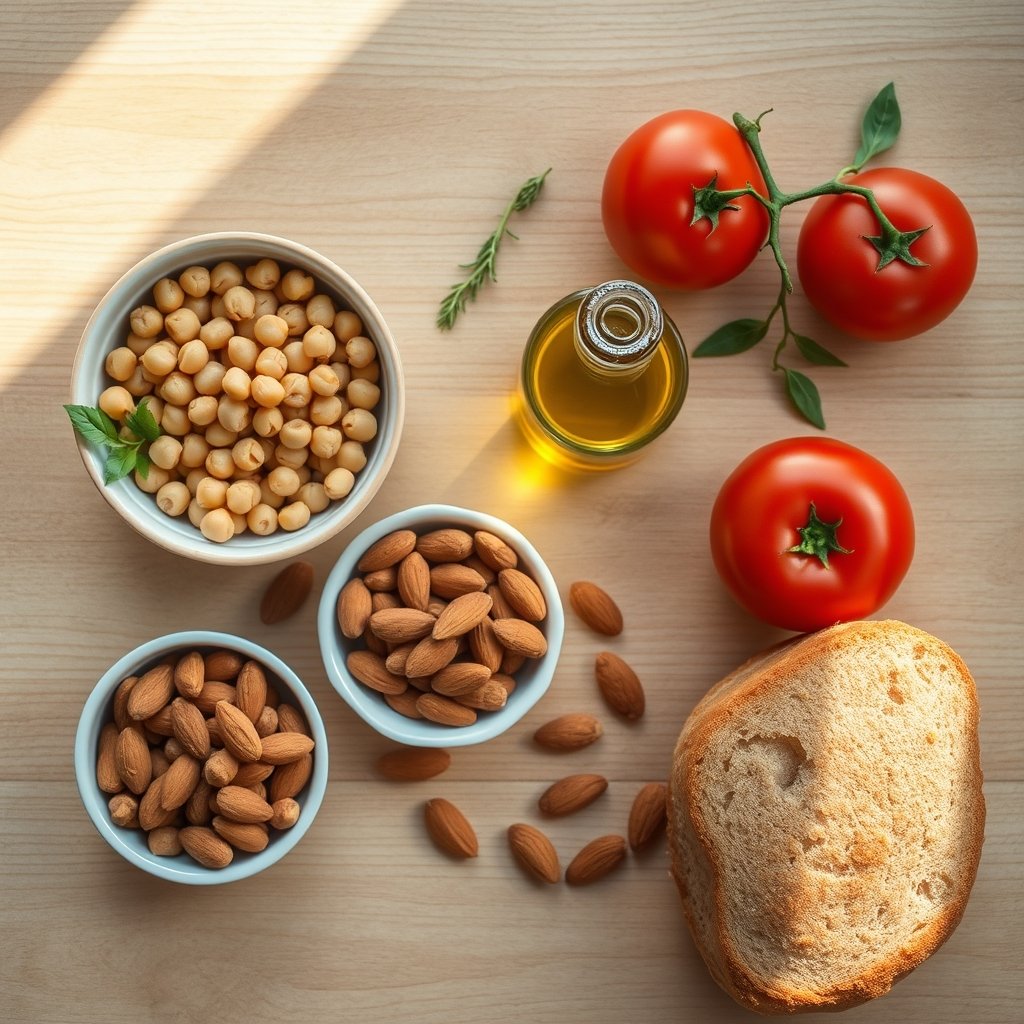
This guide provides an immediate, scannable overview of the essential components that define the Mediterranean approach to nutrition. By focusing on whole, minimally processed ingredients, this framework prioritizes long-term health through consistent, sustainable dietary patterns rather than temporary restriction.
. Key insights regarding mediterranean diet food list provide valuable clarity for best results.
Designed for rapid lookup, the following sections strip away unnecessary complexity to deliver actionable information regarding the mediterranean diet food list. Readers can use this resource to identify core staples and structural rules for daily meal preparation without navigating extraneous content.
At a Glance: Fast Reference Essentials for the Mediterranean Diet Food List
The foundation of the Mediterranean eating pattern is built upon plant-derived sources and healthy fats. According to the Harvard T.H. Chan School of Public Health, prioritizing these food groups helps maintain metabolic health and supports overall wellness.
- Vegetables: Leafy greens, cruciferous vegetables, tomatoes, and peppers.
- Fruits: Whole berries, citrus, and seasonal varieties.
- Whole Grains: Oats, brown rice, barley, and quinoa.
- Legumes: Chickpeas, lentils, and various beans.
- Healthy Fats: Extra virgin olive oil is the primary source.
- Proteins: Fish, poultry, and plant-based sources like nuts and seeds.
Master Parameter and Specification Lookup Table
The Golden Rules: Non-Negotiable Standards to Remember
Adherence to the mediterranean diet food list requires consistency in selection rather than strict calorie counting. The most important standard is to choose whole foods over processed alternatives.
- Minimize added sugars and refined sweeteners.
- Limit consumption of red meat to occasionally.
- Prioritize fresh herbs and spices over salt for seasoning.
- Ensure that physical activity remains a daily priority to complement nutritional choices as noted by World Health Organization guidelines on physical activity.
Shortcut Formulas and Rules of Thumb for Daily Calculations
When building a plate, use the "half-plate" rule to ensure compliance with dietary patterns. Aim to fill at least half of your plate with vegetables, one-quarter with lean protein, and one-quarter with whole grains. When selecting fats, rely on olive oil as your primary culinary medium, using it for both sautéing and finishing cold dishes.
Rapid Troubleshooting: 60-Second Fixes for Common Snags
- Snag: Lack of time for cooking legumes. Fix: Keep canned beans on hand; ensure they are unsalted and thoroughly rinsed.
- Snag: High cost of fresh produce. Fix: Utilize frozen vegetables, which are often flash-frozen at peak ripeness and retain high nutritional value.
- Snag: Difficulty replacing butter. Fix: Substitute with olive oil in most savory cooking applications.
Quick Reference Summary and Bookmark Checklist
- Keep a variety of nuts and seeds for quick, protein-rich snacks.
- Stock your pantry with canned tomatoes, beans, and dried lentils.
- Choose whole-grain bread and pasta over refined white versions.
- Use fresh seasonal fruit as the primary dessert option.
- Keep olive oil in a cool, dark place to maintain its quality.
You Might Also Like

Understanding Food Grade Mineral Oil: Evidence-Based Facts and Safety Standards
Explore the evidence-based facts regarding food grade mineral oil, its safety standards, and practical applications in…
Read More →
Piada Italian Street Food: A Look at the Authentic Origins and Modern Evolution
Explore the history, craftsmanship, and cultural evolution of piada Italian street food, a staple of the…
Read More →
Understanding the Food City Weekly Ad: Strategic Approaches to Grocery Savings
Discover how the Food City weekly ad functions as a tool for efficient household budgeting and…
Read More →