
Navigating the Food Lion Weekly Ad: A Strategic Shopping Guide
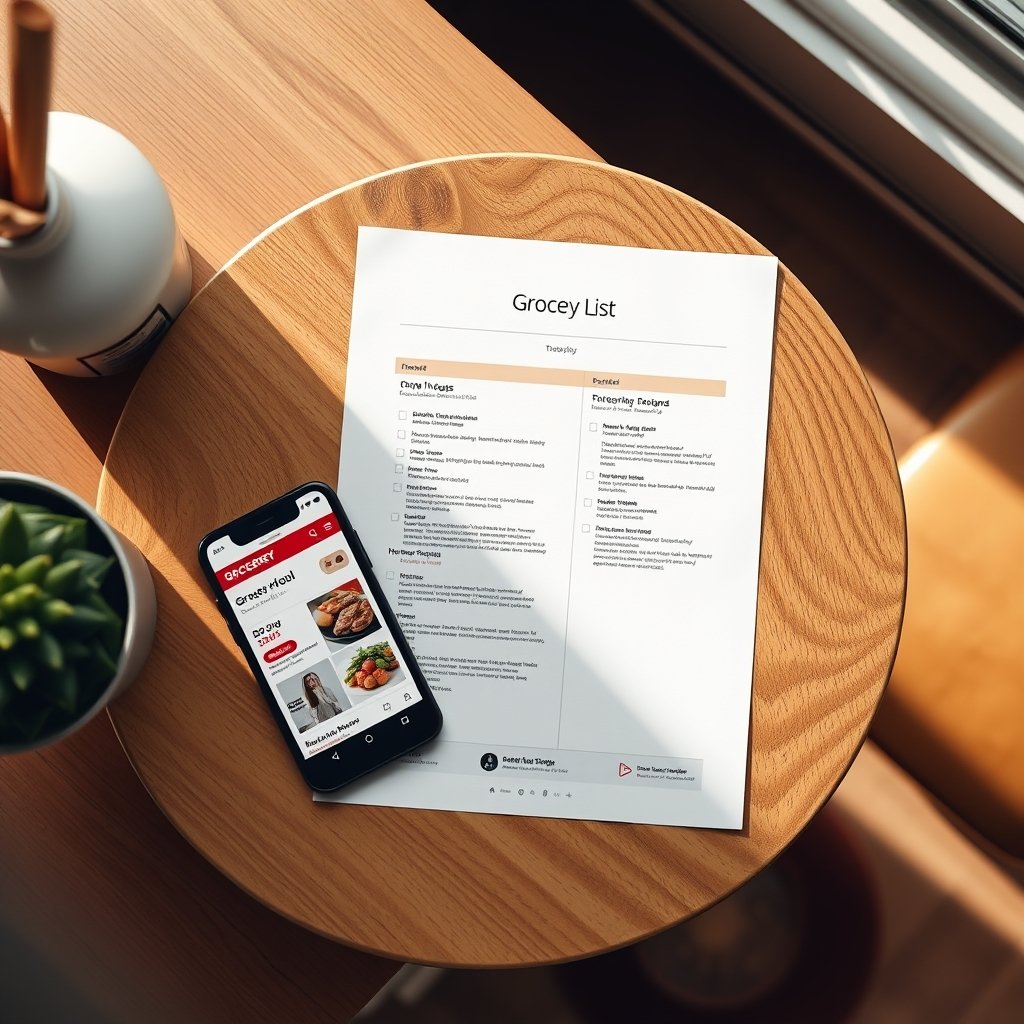
Strategic grocery shopping requires more than just a list; it demands a clear understanding of how to leverage promotional cycles to maximize household savings. For many shoppers, the food lion weekly ad serves as a foundational tool in managing food expenditures, providing a glimpse into upcoming price fluctuations, seasonal availability, and store-specific promotions. Understanding how to interpret these circulars can mean the difference between reactive purchasing and proactive financial planning.
Effective use of this resource involves balancing immediate needs with long-term consumption patterns. While the allure of a discounted item is clear, the real value lies in integrating these savings into a broader strategy that accounts for storage capacity, consumption speed, and the overall cost of a complete meal. By approaching the weekly circular as a data set rather than a simple flyer, shoppers can optimize their household budgets with greater precision and predictability.
. Key insights regarding food lion weekly ad provide valuable clarity for best results.
The Decision Landscape: Understanding What Is at Stake in food lion weekly ad
The primary stake in utilizing any promotional circular is the trade-off between time investment and monetary return. Scanning the circular requires effort, and the true cost of a discount often includes the time spent planning, traveling, and potentially modifying meal plans to align with sales. In the context of the food lion weekly ad, the landscape involves navigating digital versus print formats, regional pricing variations, and the nuances of loyalty program integration.
The Essential Decision Criteria You Must Weigh
When evaluating whether to build your week around store circulars, consider these critical factors:
- Consumption Velocity: Can you realistically finish perishables before they spoil, or does the "deal" lead to waste?
- Inventory Capacity: Do you have the physical space to store bulk items purchased at a promotional price?
- Opportunity Cost: Does the time spent hunting for specific deals exceed the hourly value of your time?
- Brand Flexibility: Are you willing to swap preferred brands for store-brand alternatives that may be featured in the current cycle?
Who Should Definitely Choose This: Ideal Fit Profiles
This approach is ideal for households with high volume requirements, such as large families, where even small unit-price savings compound significantly over time. It is also well-suited for individuals who enjoy meal planning and have the flexibility to adjust their menus based on what is currently on sale. According to official nutrition and food guidelines, planning meals around seasonal produce can also improve the quality of your diet while managing costs.
Who Should Avoid It or Consider Alternative Paths
Shoppers with extremely limited time or those who prioritize convenience over price optimization may find the process of tracking circulars counterproductive. If your schedule is rigid or your storage space is minimal, the effort required to curate a list based on weekly flyers might yield diminishing returns, as identified in broader economic consumer behavior studies.
Cost Realities, Pricing Tiers & Return on Investment
Not all discounts are created equal. A common pitfall is the "loss leader" trap, where highly visible price drops on a few staple items distract from higher markups on non-advertised goods. To calculate true return on investment, compare the total basket price against your standard baseline of expenditure rather than focusing on the individual discount percentage of a single item.
Self-Assessment: 4 Questions to Ask Before Making Your Choice
- Does the advertised item replace a necessity currently on my list?
- Is the promotional price lower than the unit price of items I normally buy in bulk?
- Do I have the logistical ability to store this item safely until use?
- Will using this deal force me to purchase non-essential items to reach a minimum quantity?
. Key insights regarding food lion weekly ad provide valuable clarity for best results.
The Definitive Decision Matrix & Final Recommendation
For most households, the most sustainable path is a hybrid approach. Use the weekly ad to identify key staples that are currently marked down, but do not allow the circular to dictate your entire nutritional intake. This ensures you capture the financial benefits of the promotion while maintaining the flexibility required for a balanced lifestyle.
You Might Also Like

Understanding Food Grade Mineral Oil: Evidence-Based Facts and Safety Standards
Explore the evidence-based facts regarding food grade mineral oil, its safety standards, and practical applications in…
Read More →
Piada Italian Street Food: A Look at the Authentic Origins and Modern Evolution
Explore the history, craftsmanship, and cultural evolution of piada Italian street food, a staple of the…
Read More →
Mediterranean Diet Food List: A Practical Quick Reference Guide
A concise, scannable guide to the Mediterranean diet food list, focusing on core staples, nutritional benchmarks,…
Read More →