
What Is Nutrition Care Process: A Quick Reference Guide
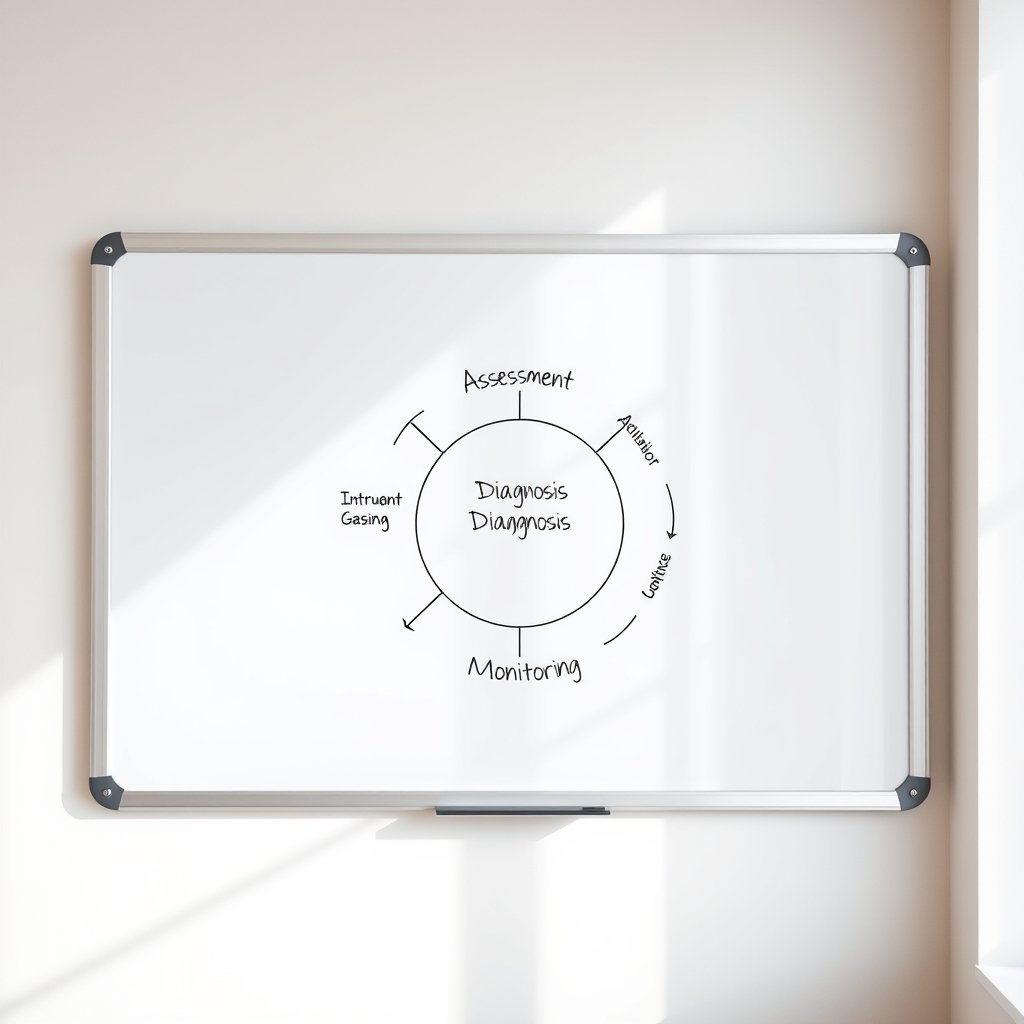
The nutrition care process is a standardized, systematic framework used by registered dietitians and clinical nutritionists to provide high-quality, individualized care. For those asking what is nutrition care process, this guide is engineered for immediate scannability, helping professionals and students identify the core components of the model without wading through extraneous filler.
Understanding what is nutrition care process allows practitioners to document, monitor, and evaluate patient outcomes consistently across diverse healthcare environments. By following this structured methodology, clinicians ensure that every intervention is evidence-based and tailored to the specific metabolic and physiological needs of the individual.
At a Glance: Fast Reference Essentials for what is nutrition care process
The framework consists of four distinct, interconnected steps designed to move from assessment to evaluation. Each stage relies on the previous one to maintain continuity of care.
- Assessment: Data collection including food history, anthropometrics, and biochemical markers.
- Diagnosis: Identifying specific nutrition problems using standardized terminology (PES statements).
- Intervention: Planning and implementing actions to address the identified diagnosis.
- Monitoring and Evaluation: Measuring the effectiveness of the intervention against baseline data.
For more detailed clinical definitions, consult the Academy of Nutrition and Dietetics standards regarding standardized care documentation.
Master Parameter & Specification Lookup Table
The Golden Rules: Non-Negotiable Standards to Remember
When applying the nutrition care process, never skip the documentation of the PES statement (Problem, Etiology, and Signs/Symptoms). This is the cornerstone of clinical communication. Every clinician should know what is nutrition care process well enough to ensure that the etiology is something the nutrition intervention can actually influence. If the root cause is purely medical and beyond dietary control, the intervention will likely fail to yield results.
Always maintain patient-centered goals. According to World Health Organization nutrition guidelines, clinical interventions should prioritize local accessibility and cultural appropriateness to ensure long-term compliance.
Shortcut Formulas & Rules of Thumb for Quick Calculations
- The PES Equation: Problem (What is wrong) + Etiology (Why is it happening) + Signs/Symptoms (How do we know).
- SMART Goals: Ensure every intervention goal is Specific, Measurable, Achievable, Relevant, and Time-bound.
- Baseline Comparison: Always compare current intake data against the initial admission assessment to determine if a change is statistically or clinically significant.
Rapid Troubleshooting: 60-Second Fixes for Common Snags
- Stuck on Diagnosis? Re-examine your assessment data. If you lack clear evidence, you cannot diagnose a nutritional problem.
- Intervention not working? Review the etiology. If the diagnosis is linked to a non-nutritional cause, shift your focus to symptom management rather than cure.
- Documentation lag? Use standardized templates to ensure that the four steps of the nutrition care process are clearly visible in the medical record.
Quick Reference Summary & Bookmark Checklist
This summary serves as your final verification tool for clinical workflows. To fully grasp what is nutrition care process, always check that your documentation includes a clear link between the assessment and the chosen intervention. Remember that the process is iterative; if a patient does not progress, you must cycle back to the assessment phase to identify new variables or barriers to health.
You Might Also Like

Semi Skimmed Milk Nutrition Facts: A Data-Driven Analysis
Explore the verified semi skimmed milk nutrition facts. Understand the macronutrient profile, calcium content, and how…
Read More →
Understanding a Level 4 Nutrition Course Online: A Comprehensive Guide
Explore the foundational principles, mechanics, and practical applications of enrolling in a level 4 nutrition course…
Read More →
Nutrition Information for Skim Milk: A Simple Beginner’s Guide
Learn the essentials of nutrition information for skim milk. This beginner's handbook breaks down key benefits,…
Read More →