
Navigating Questions About Food and Nutrition: A Scenario-Based Guide
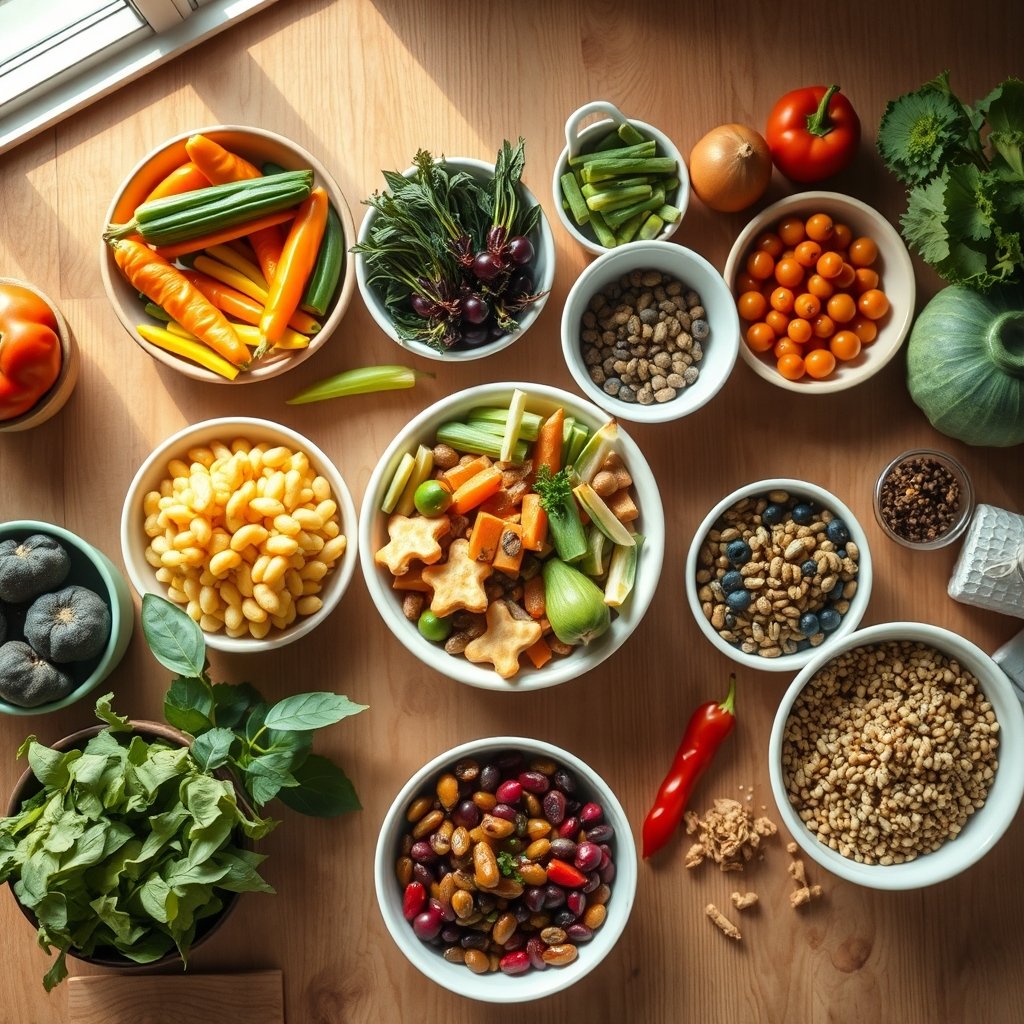
When seeking answers to questions about food and nutrition, many people fall into the trap of looking for a universal solution. The reality is that nutritional needs are highly individual, influenced by genetics, daily activity levels, and personal health histories. What works for an athlete training for a marathon will rarely be the optimal strategy for someone managing a sedentary desk job or recovering from a specific illness.
Because of this variability, relying on generic advice often leads to frustration. Instead of searching for a perfect diet, it is more effective to evaluate your current life situation and identify the strategies that align with your specific constraints. By understanding how to frame your own health inquiries, you can move away from restrictive fads and toward sustainable, evidence-based habits.
. Key insights regarding questions about food and nutrition provide valuable clarity for best results.
Context Is Everything: Why One Approach to questions about food and nutrition Won't Fit Everyone
Nutritional science is constantly evolving as new research provides deeper insights into how different macronutrients affect human physiology. As noted by the World Health Organization, a healthy diet depends on a combination of factors, including energy balance and the intake of essential vitamins and minerals. Because these requirements shift depending on age and physical output, the most important step is identifying your personal context.
Scenario A: If You Have Limited Resources or Tight Time Constraints
If your primary goal is efficiency, focus on staple foods that provide high nutrient density without requiring hours of preparation. Frozen vegetables are often just as nutritious as fresh produce because they are picked at peak ripeness. Prioritize bulk purchasing of legumes, grains, and eggs, which serve as foundational proteins and fibers.
Scenario B: If You Need Maximum Quality, Scalability and Performance
For those managing high-performance lifestyles, precision becomes critical. This often involves tracking intake to ensure you are meeting specific recovery needs. Working with a registered dietitian can provide a framework that scales with your training volume, ensuring your caloric intake keeps pace with your metabolic demands.
Scenario C: If You Are Transitioning From an Existing Setup
Changing your eating habits is a process rather than an event. If you are moving away from a diet high in processed foods, the most effective approach is incremental replacement. Start by swapping one processed snack per day for a whole food alternative, such as a piece of fruit or a handful of nuts, rather than attempting a total overhaul overnight.
Scenario D: Edge-Case Circumstances and Unforeseen Challenges
Sometimes, health conditions require specialized medical nutrition therapy. If you have specific medical needs, general wellness advice may not be safe. Always consult your primary care physician or a clinical specialist. For standard guidance on food safety and labeling, you can review NHS guidance on healthy eating, which provides a stable baseline for most individuals.
. Key insights regarding questions about food and nutrition provide valuable clarity for best results.
Transition Rules: What to Do When Your Scenario Changes
Life is dynamic. A student who has ample time for cooking may eventually enter a career with long, unpredictable hours. When your scenario changes, your strategy must adapt. If your time becomes restricted, shift your focus from complex meal preparation to simple, reliable assembly-based meals that maintain nutritional quality without the time investment.
Scenario Matrix: Finding Your Personalized Path Forward
You Might Also Like
Semi Skimmed Milk Nutrition Facts: A Data-Driven Analysis
Explore the verified semi skimmed milk nutrition facts. Understand the macronutrient profile, calcium content, and how…
Read More →
Understanding a Level 4 Nutrition Course Online: A Comprehensive Guide
Explore the foundational principles, mechanics, and practical applications of enrolling in a level 4 nutrition course…
Read More →
Nutrition Information for Skim Milk: A Simple Beginner’s Guide
Learn the essentials of nutrition information for skim milk. This beginner's handbook breaks down key benefits,…
Read More →