
Tender Slow Braised Corned Beef and Cabbage
Learn how to make delicious corned beef and cabbage recipe with this easy step-by-step recipe for foolproof, mouthwatering results at home.
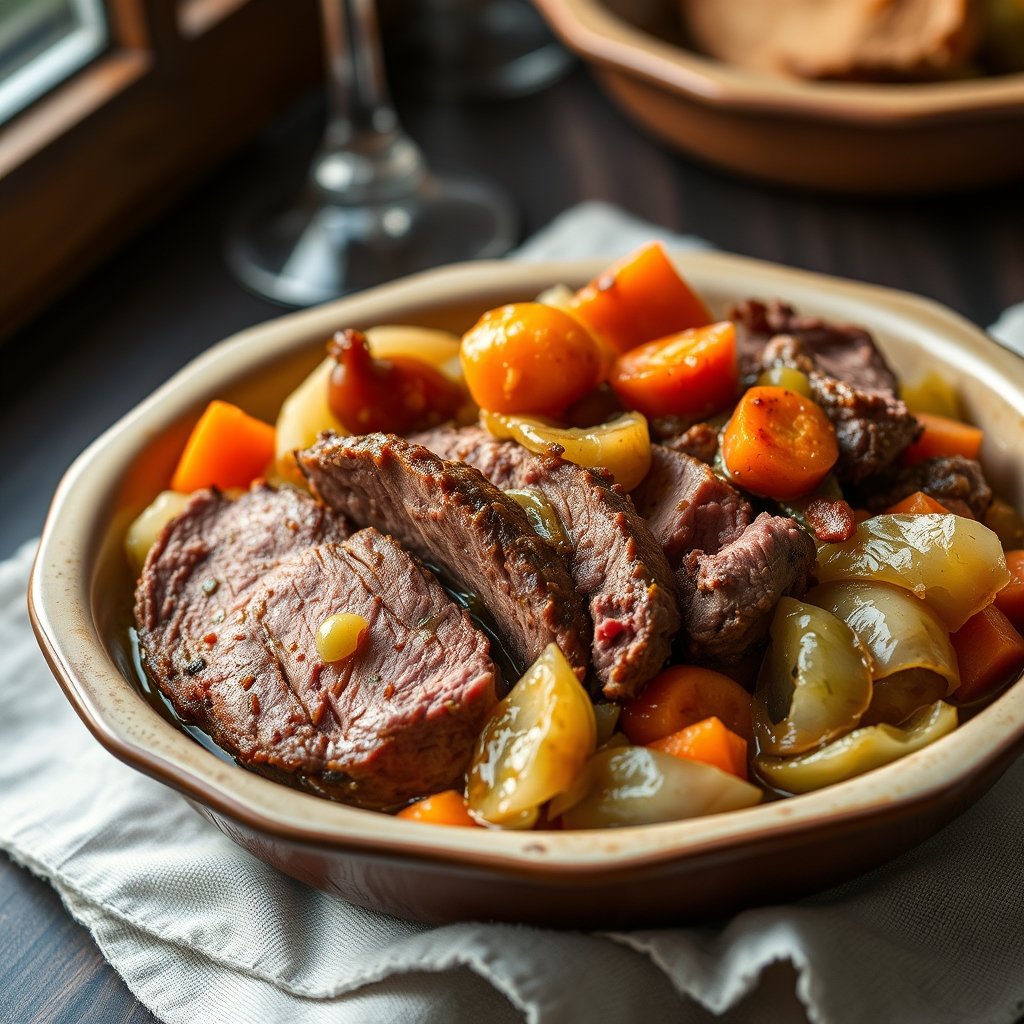
Achieving the perfect texture with a corned beef and cabbage recipe requires patience and a gentle, low-heat braising method. This dish relies on slowly cooking the beef until the connective tissues break down, resulting in meat that is fork-tender rather than rubbery. By pairing the savory, spiced brisket with sweet, buttery cabbage and tender carrots, you create a balanced, comforting meal. This traditional approach ensures the brine flavors remain prominent without becoming overly salty, providing a classic, reliable result every time you prepare this hearty centerpiece for your dinner table.
Why You’ll Love This Corned Beef And Cabbage Recipe
This recipe is cherished for its straightforward preparation and reliable results. Key benefits include: – The low and slow cooking method guarantees melt-in-your-mouth beef. – It uses a single pot, simplifying cleanup. – The vegetables absorb the savory cooking liquid, ensuring depth of flavor in every bite. – It serves a crowd perfectly, making it an ideal choice for gatherings or weekend family dinners.
Key Ingredients for Corned Beef And Cabbage Recipe
- Beef Brisket: Choose a flat-cut or point-cut brisket with a good layer of fat to ensure moisture. Check the recipe card for the appropriate weight.
- Pickling Spice: This blend of mustard seeds, coriander, and peppercorns is vital. Use the packet included with your brisket or a high-quality fresh blend for the best aromatics.
- Cabbage: Use firm, green cabbage heads. Quartering them helps them hold their shape during the braising process rather than turning into mush.
- Carrots and Onions: These aromatics provide the base for the braising liquid, adding natural sweetness that counters the salty brine of the beef.
How to Make Corned Beef And Cabbage Recipe Step-by-Step
- Begin by rinsing the corned beef under cold running water to remove excess surface salt. Place the brisket in a large Dutch oven or heavy pot, fat side up, and cover it with cold water or a mix of water and beef broth.
- Add the spice packet, roughly chopped onions, and garlic to the pot. Bring the liquid to a gentle simmer over medium heat, then immediately reduce the heat to low. Cover tightly and let it cook for approximately 3 to 4 hours. You want a steady, barely-there simmer to keep the meat tender.
- Once the beef is tender when pierced with a fork, add the peeled carrots and quartered cabbage to the pot. Keep the liquid at a simmer and cook for an additional 20 to 30 minutes. The vegetables should be tender but still offer slight resistance when poked with a knife.
- Remove the beef from the pot and let it rest on a cutting board for at least 15 minutes before slicing against the grain. Slice the meat into thin, even pieces to ensure the best texture, then serve with the hot vegetables and a ladle of the cooking broth.
Tips for Perfect Corned Beef And Cabbage Recipe
- Always slice the finished meat against the grain to maximize tenderness; skipping this step can result in tough, chewy pieces even if the meat is fully cooked.
- Avoid high heat during the braising process, as it toughens the protein fibers quickly and makes the final texture dry and stringy.
- Skim the surface of the braising liquid periodically to remove excess fat for a cleaner, more savory broth that pairs beautifully with the vegetables.
Substitutions and Variations
- For a gluten-free version, ensure your spice packet or broth is labeled as such, as some commercial blends contain hidden wheat fillers.
- If you prefer a milder flavor, replace half the water in the pot with a light lager beer or apple juice for a subtle, fruity sweetness.
- Swap standard green cabbage for Savoy cabbage if you prefer a softer, more delicate texture in your finished dish.
Serving Suggestions
- Serve with a side of sharp Dijon or grainy whole-grain mustard to cut through the richness of the beef.
- Pair with a loaf of crusty soda bread or warm rye bread to soak up the savory cooking liquid.
- A dollop of fresh horseradish cream adds a bright, zesty contrast to the tender, slow-cooked brisket.
Storage and Reheating
Storage: Store any leftover meat and vegetables in an airtight container with enough cooking liquid to keep them moist. Keep refrigerated for up to 3 days. To reheat, warm the beef and vegetables in a saucepan over low heat with a splash of broth until heated through. Freezing is not recommended as it significantly changes the texture of the cabbage. To ensure proper doneness and food safety, refer to the USDA safe internal meat temperature guidelines.
Frequently Asked Questions
How do I know when the corned beef is fully cooked?
The meat is ready when a fork or paring knife can easily pierce through the thickest part of the brisket with almost no resistance. This usually occurs between 3 and 4 hours of gentle simmering depending on the size of the cut.
Should I boil the cabbage with the beef the whole time?
No, you should only add the cabbage during the last 20 to 30 minutes of cooking. If you add it too early, the vegetable will overcook and disintegrate into the liquid, resulting in an unpleasant, mushy texture and a bitter flavor.
Why is my corned beef tough after simmering?
Toughness usually indicates the heat was too high or the cooking time was too short. Corned beef is a tough cut that requires slow breakdown of collagen. Ensure the pot stays at a very gentle simmer and resist the urge to boil it.
This classic dish is a rewarding meal that relies on patience for the best texture. Once you have mastered the timing for the beef and the vegetables, you will find this recipe becomes a dependable favorite for every special occasion or cozy family dinner.
Tender Slow Braised Corned Beef and Cabbage
Ingredients
Instructions
Tips
Slice against the grain. Keep the simmer very low. Skim the fat from the top.
Substitutions
Use beer instead of water for the liquid. Add baby potatoes for a heartier meal.
Notes
Let the meat rest to ensure juices redistribute throughout the fibers.
You Might Also Like

Homestyle Chicken and Fluffy Drop Dumplings
Learn how to make delicious chicken and dumplings recipe with this easy step-by-step recipe for foolproof,…

Whipped Sweet Potato Casserole With Pecan Streusel
Learn how to make delicious sweet potato casserole recipe with this easy step-by-step recipe for foolproof,…

Tender Flank Steak and Broccoli Stir-Fry
Learn how to make delicious beef and broccoli recipe with this easy step-by-step recipe for foolproof,…