
What Is a Fermented Food: A Practical Quick Reference Guide
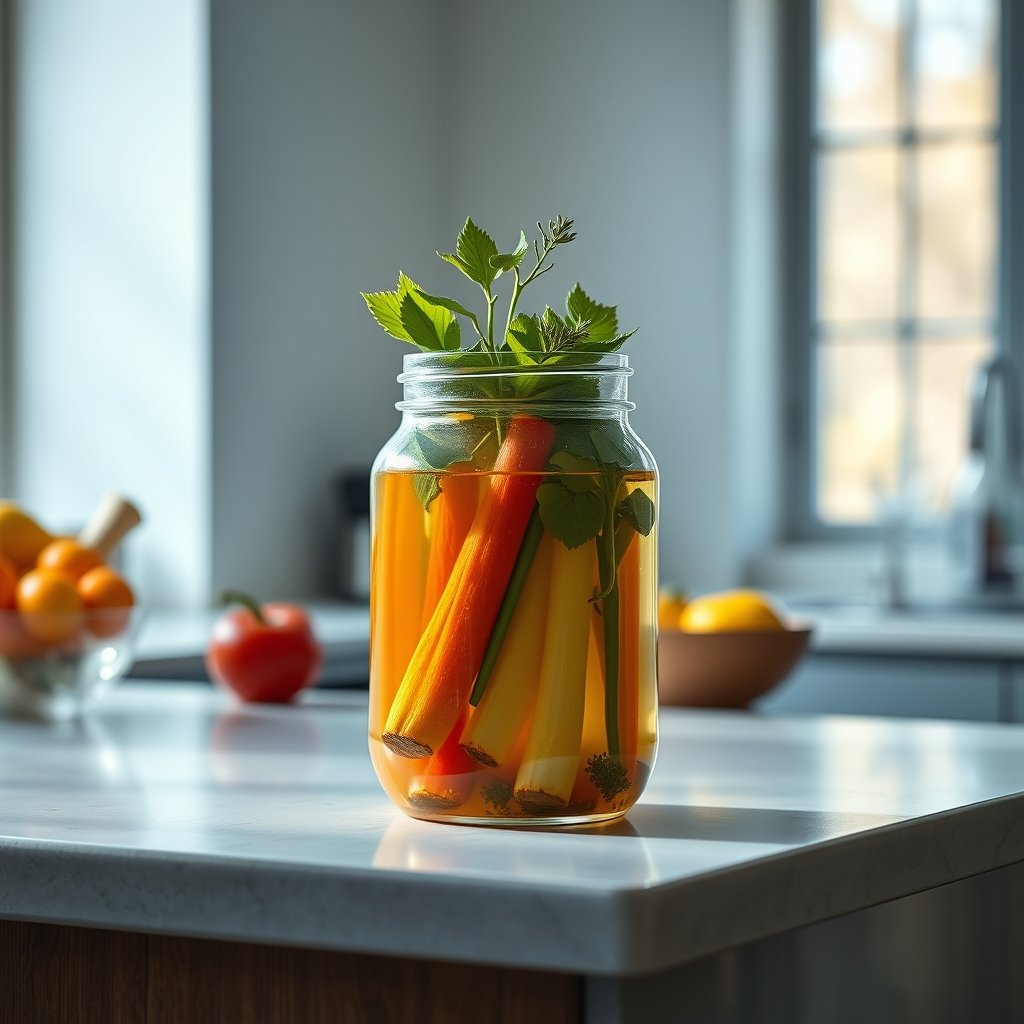
This guide is engineered for immediate scannability and fast answers regarding the core characteristics of microbial food transformation. If you are asking what is a fermented food, you are looking at the result of controlled microbial growth—bacteria, yeast, or molds—breaking down carbohydrates into organic acids, gases, or other compounds.
At a Glance: Fast Reference Essentials for what is a fermented food
Fermentation is a natural process used for preservation and nutrient enhancement. By creating an environment where beneficial microbes thrive, we inhibit the growth of spoilage organisms.
. Key insights regarding what is a fermented food provide valuable clarity for best results.
- Definition: Food transformed through enzymatic action of microorganisms.
- Primary Agents: Lactic acid bacteria (LAB), yeasts, and various molds.
- Key Outcome: Preservation, enhanced digestibility, and unique flavor profiles.
- Core Requirement: A controlled environment (usually anaerobic or specific salinity).
Master Parameter & Specification Lookup Table
The Golden Rules: Non-Negotiable Standards to Remember
When exploring what is a fermented food, safety must remain the primary priority. Adhere to these standards to ensure quality:
- Sanitation: All equipment must be cleaned thoroughly. Residual soap or debris can disrupt microbial balance.
- Submersion: In vegetable ferments, keep solids below the brine line to prevent mold growth on exposed surfaces.
- Temperature Control: Rapid shifts in temperature can kill beneficial cultures or encourage unwanted pathogens. Aim for consistent room temperatures, typically between 65°F and 75°F.
- Observation: Trust your senses. Off-putting odors, fuzzy mold growth, or slimy textures are indicators of failure.
Shortcut Formulas & Rules of Thumb for Quick Calculations
- The 3% Salt Rule: For most vegetable ferments, use a 3% salt-to-water ratio by weight. This is the sweet spot for inhibiting spoilage while allowing beneficial bacteria to dominate.
- The 48-Hour Check: If you do not see active bubbling or signs of gas production within 48 hours, the environment is likely too cold or the salt concentration is too high.
- The Weight Ratio: Always weigh your salt rather than measuring by volume. Salt density varies significantly by grain size.
Rapid Troubleshooting: 60-Second Fixes for Common Snags
- Surface Scum (Kahm Yeast): White, thin film on the surface. Skim it off immediately. It is harmless but can affect flavor if left to grow.
- Soft Vegetables: Often caused by too little salt or excessive heat. Ensure your next batch is stored in a cooler location.
- Lack of Activity: If nothing happens, check the temperature. If it is below 60°F, move the vessel to a warmer area.
Quick Reference Summary & Bookmark Checklist
Understanding what is a fermented food boils down to managing microbial ecosystems. Keep this checklist handy:
- Use high-quality, non-iodized salt.
- Verify equipment is food-grade.
- Maintain anaerobic conditions (submerge solids).
- Monitor for bubbles and pH changes.
- Discard if you detect signs of putrefaction or fuzzy mold.
For more information on food safety standards, consult the USDA Food Safety and Inspection Service guidelines on home preservation.
You Might Also Like

Understanding Food Grade Mineral Oil: Evidence-Based Facts and Safety Standards
Explore the evidence-based facts regarding food grade mineral oil, its safety standards, and practical applications in…
Read More →
Piada Italian Street Food: A Look at the Authentic Origins and Modern Evolution
Explore the history, craftsmanship, and cultural evolution of piada Italian street food, a staple of the…
Read More →
Mediterranean Diet Food List: A Practical Quick Reference Guide
A concise, scannable guide to the Mediterranean diet food list, focusing on core staples, nutritional benchmarks,…
Read More →