
Understanding the Role of Images of Food and Nutrition in Education and Media
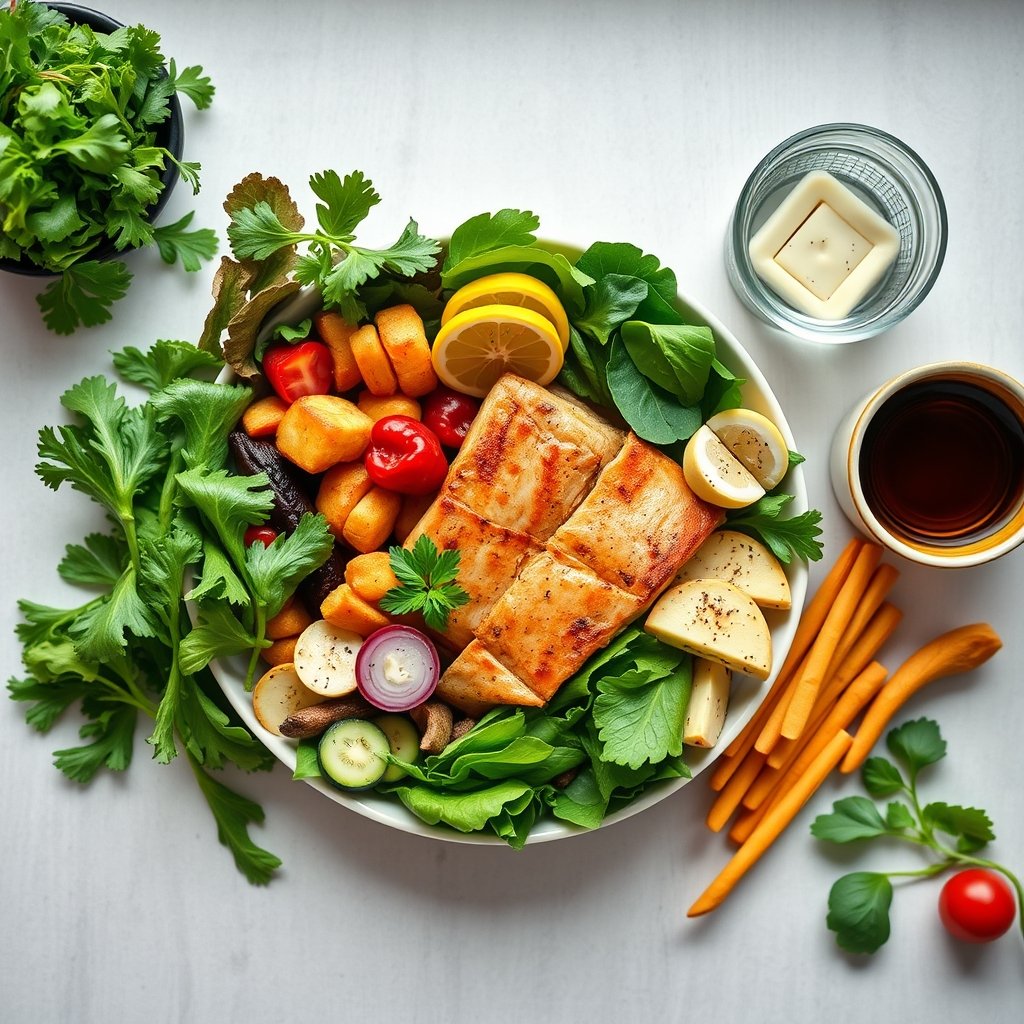
Visual communication serves as a primary bridge between complex biological data and daily dietary choices. When we discuss images of food and nutrition, we are referring to the intentional use of photography, infographics, and illustrations to convey information about macronutrients, micronutrients, and caloric density.
Defining images of food and nutrition: Core Concepts & Fundamentals
At its most basic level, this field involves the translation of scientific research into accessible visual formats. Humans process visual information significantly faster than text. By utilizing high-quality images of food and nutrition, educators and health professionals can distill complex concepts like portion sizing, food groups, and nutrient profiles into digestible content that encourages better decision-making.
How It Works: The Underlying Mechanics
Visual literacy plays a massive role in how individuals interpret dietary advice. When an individual views a well-composed image of a balanced meal, their brain quickly identifies shapes, colors, and textures associated with specific food categories. This immediate recognition helps bypass the cognitive load associated with reading nutritional labels or scientific journals. The brain categorizes the visual input, linking it to previous experiences or cultural understandings of health.
Critical Drivers & Key Influencing Factors
Several factors determine the effectiveness of visual health communication:
- Cultural relevance: The food depicted must be recognizable and attainable within the viewer’s specific geographic context.
- Authenticity: Over-processed or heavily staged imagery can create unrealistic expectations about what healthy eating looks like in practice.
- Clarity: Effective visuals avoid clutter, focusing on single concepts such as "fiber-rich vegetables" or "lean protein sources."
- Contextual accuracy: Providing information about the source, preparation, and serving size alongside the image is essential for preventing misinformation.
Practical Industry Examples & Real-World Applications
Organizations such as the USDA provide extensive resources for public health, focusing on clear, evidence-based visual guides. In public wellness campaigns, reliable images of food and nutrition provide essential support for the MyPlate initiative, which uses color-coded graphics to represent the proportions of a balanced diet. Similarly, clinical nutritionists use standardized visual guides to assist patients in estimating serving sizes, which is a common challenge for those tracking their intake. These tools are far more effective than written lists of grams or percentages.
Debunking Common Misconceptions
There is a common belief that any photo of healthy food qualifies as effective educational material. In reality, authentic images of food and nutrition must accurately reflect real preparation; without context, an image of a salad could be misleading if the dressing contains hidden ingredients that significantly alter the nutritional profile. Another misconception is that high-end, artistic photography is always superior. In reality, clear, functional photography that accurately represents standard household portions is often more useful for the general public than highly stylized marketing images.
Strategic Best Practices for Long-Term Success
To ensure that visual content remains helpful and accurate, creators should prioritize:
- Referencing established guidelines from organizations like the National Institutes of Health to ensure data accuracy.
- Maintaining consistency in how different food groups are represented across various media platforms.
- Avoiding the use of deceptive editing techniques that make food look larger or more vibrant than it is in reality.
- Ensuring accessibility by providing alt-text and descriptions for those who rely on screen readers.
Frequently Asked Questions
Why are visual aids more effective than text for nutrition education?
Visual aids reduce the cognitive load, allowing the brain to process dietary proportions and food types in seconds rather than minutes.
Can stylized food photography be harmful to nutrition literacy?
Yes, if the images are overly curated, they may set unrealistic expectations for food preparation or portion sizes, potentially discouraging individuals from attempting healthy cooking at home.
What makes an image of food scientifically accurate?
An accurate image represents the food in its typical prepared state, clearly showing its relation to recommended serving sizes rather than focusing solely on aesthetic appeal.
Conclusion: Key Takeaways
The strategic use of images of food and nutrition in the health space is essential for bridging the gap between scientific recommendations and daily habits. By focusing on authenticity, clarity, and cultural relevance, creators can help the public make better-informed decisions regarding their health. As we move forward, the emphasis should remain on evidence-based accuracy, ensuring that every visual aid serves to empower the reader rather than confuse them.
You Might Also Like

Semi Skimmed Milk Nutrition Facts: A Data-Driven Analysis
Explore the verified semi skimmed milk nutrition facts. Understand the macronutrient profile, calcium content, and how…
Read More →
Understanding a Level 4 Nutrition Course Online: A Comprehensive Guide
Explore the foundational principles, mechanics, and practical applications of enrolling in a level 4 nutrition course…
Read More →
Nutrition Information for Skim Milk: A Simple Beginner’s Guide
Learn the essentials of nutrition information for skim milk. This beginner's handbook breaks down key benefits,…
Read More →