
How a Food Nutrition Facts Label Creator Works for Compliance
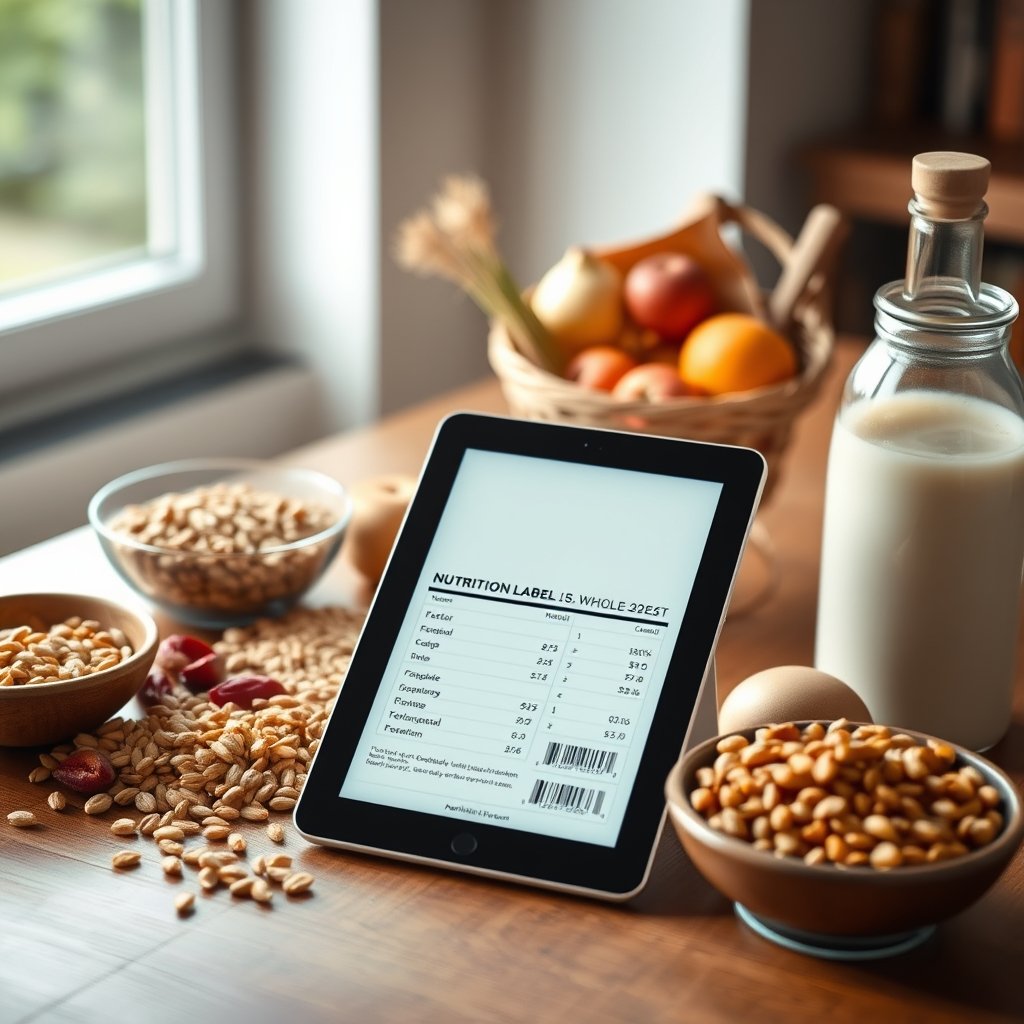
A food nutrition facts label creator serves as the primary bridge between raw ingredient data and regulatory compliance for packaged goods. For small-to-mid-sized food producers, this software replaces the need for manual calculations, which are prone to human error and often fail to meet the specific formatting standards set by the U.S. Food and Drug Administration (FDA).
Defining food nutrition facts label creator: Core Concepts & Fundamentals
At its core, a food nutrition facts label creator is a software-as-a-service (SaaS) platform designed to calculate nutrient values based on standardized databases. These tools require the user to input precise ingredient weights, cooking losses, and serving sizes to generate a compliant panel. The primary goal is to ensure the final output strictly adheres to 21 CFR Part 101, which dictates the layout, font size, and specific nutrients that must appear on retail packaging.
How It Works: The Underlying Mechanics
. Key insights regarding food nutrition facts label creator provide valuable clarity for best results.
Most platforms operate by cross-referencing user-inputted ingredients with a centralized database, such as the USDA FoodData Central. The process involves:
- Ingredient Mapping: Linking specific ingredients to their nutritional profiles.
- Yield and Retention Calculations: Adjusting for nutrient loss during processes like baking or boiling.
- Formatting Engine: Applying the rigid design templates required for the specific label style (e.g., standard, narrow, or tabular).
- Compliance Validation: Checking inputs against current FDA thresholds for mandatory labeling.
Critical Drivers & Key Influencing Factors
Selecting the right tool requires an understanding of your specific production volume and product complexity. Key factors include:
- Database Accuracy: Whether the system uses verified laboratory data or estimated averages.
- Regulatory Updates: The platform must automatically update when FDA guidelines shift, such as changes to daily values or added sugar reporting.
- Integration Capabilities: The ability to export high-resolution files for print or integrate directly with inventory management software.
- Scalability: The capacity to handle complex recipes with multiple sub-components.
Practical Industry Examples & Real-World Applications
Small-batch producers often use these tools to ensure their retail-ready items meet the requirements for grocery store distribution. For instance, a bakery producing artisan granola must account for the specific weight of nuts, seeds, and sweeteners used in every batch. By utilizing a food nutrition facts label creator, they can quickly adjust a recipe and generate a new, compliant label without hiring a third-party laboratory for every iteration.
Debunking Common Misconceptions
Many assume that using a software tool guarantees legal immunity. This is incorrect. The accuracy of the label remains the responsibility of the manufacturer. If the input data is flawed or if the recipe changes without an update to the system, the resulting label will be non-compliant. Additionally, software cannot replace laboratory testing if the product falls under specific categories where FDA testing is mandated to verify nutrient claims.
Strategic Best Practices for Long-Term Success
To maximize the utility of your chosen tool, follow these operational guidelines:
- Maintain consistent records of ingredient specifications from suppliers.
- Perform periodic audits comparing software-generated outputs against actual physical testing.
- Document your process for calculating serving sizes, as this is a common point of contention during regulatory reviews.
- Keep your software subscription active to ensure access to the latest regulatory templates.
Frequently Asked Questions
Do I need a professional lab test if I use a label creator?
Not always, but it depends on the product. While software is sufficient for many standard items, products making specific health claims or those with highly variable nutrient content may require laboratory validation.
Is it possible to detect if a label was created by software?
Regulatory bodies do not look for the source of the label; they look for the accuracy of the data. A well-formatted label generated by a reputable tool is indistinguishable from one created by a graphic designer following FDA guidelines.
How does this affect Google indexing for my brand?
Using a compliant label adds trust and authority to your product pages. Providing transparent, accurate nutritional data on your website can help search engines better understand your content, which is a factor in high-quality commerce results.
Conclusion: Key Takeaways
Adopting a digital solution for nutritional labeling is essential for scaling a food business. By centralizing recipe management and automating the formatting process, producers reduce risk and streamline their path to market. Prioritize platforms that offer deep database integration and stay current with FDA updates to ensure your packaging remains compliant in a changing regulatory landscape.
You Might Also Like

Semi Skimmed Milk Nutrition Facts: A Data-Driven Analysis
Explore the verified semi skimmed milk nutrition facts. Understand the macronutrient profile, calcium content, and how…
Read More →
Understanding a Level 4 Nutrition Course Online: A Comprehensive Guide
Explore the foundational principles, mechanics, and practical applications of enrolling in a level 4 nutrition course…
Read More →
Nutrition Information for Skim Milk: A Simple Beginner’s Guide
Learn the essentials of nutrition information for skim milk. This beginner's handbook breaks down key benefits,…
Read More →