
How to Make Poached Egg: Simple Step by Step Guide
Learn how to make poached egg in 8 minutes with simple pantry staples and clear culinary cues. Tender, flavorful, and easy for everyone.
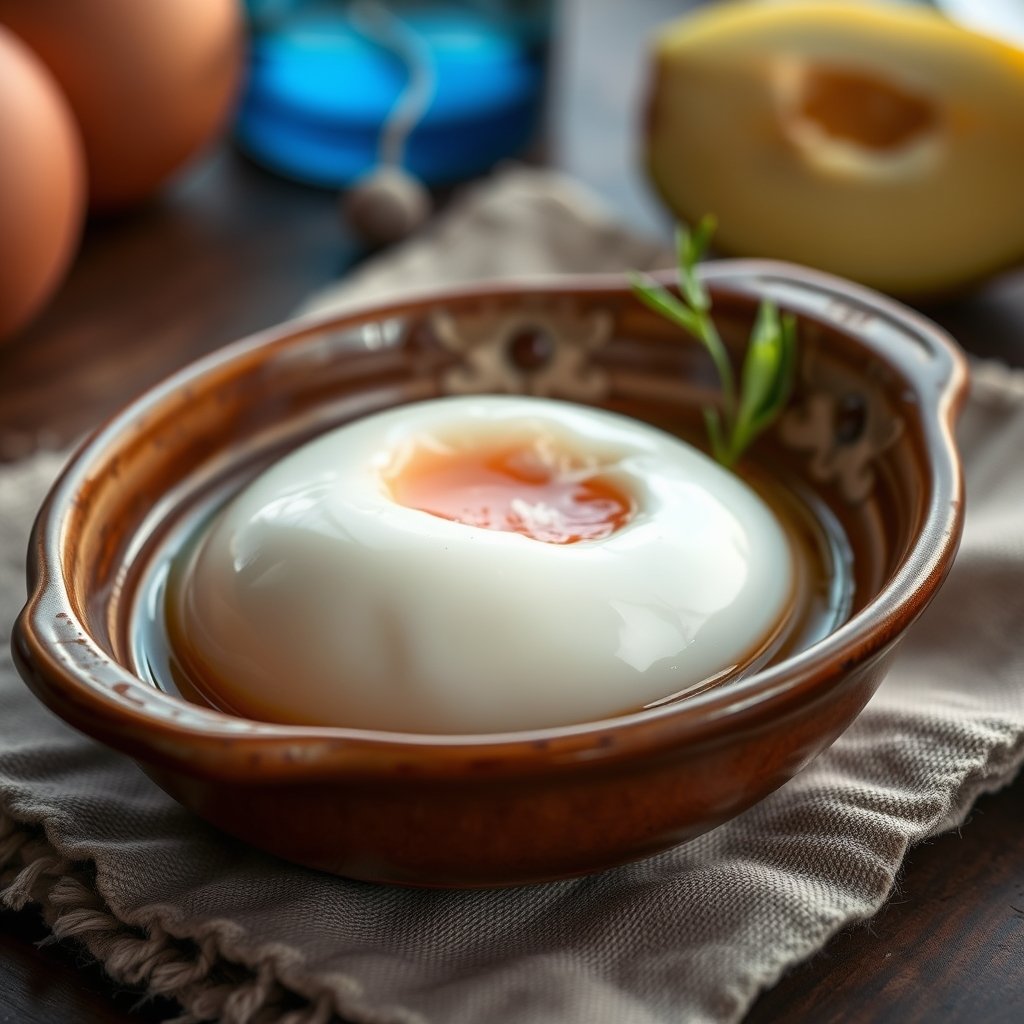
Learning how to make poached egg is a fundamental kitchen skill that transforms simple breakfasts into elegant meals. The process involves cooking an egg out of its shell in gently simmering water, resulting in a firm, tender white and a warm, liquid yolk. Mastering this technique allows you to create restaurant quality eggs at home with minimal equipment. By using a few simple timing cues and fresh ingredients, you can achieve consistent, beautiful results every time you step into the kitchen for a nutritious and classic morning meal. To ensure proper doneness and food safety, refer to the USDA FoodData Central culinary reference.
Why You’ll Love This Recipe
You will appreciate this method for its simplicity and elegance. Key benefits include: restaurant quality results with basic tools, healthy oil free cooking, a perfectly creamy texture that elevates toast or salads, and rapid preparation time that fits into any morning schedule. It is a reliable technique that delivers satisfying, consistent results without the need for complex culinary training or expensive specialized kitchen gadgets.
Ingredient Notes
- Fresh eggs are critical because they have stronger proteins that hold their shape better in simmering water compared to older eggs.
- White vinegar helps the egg whites set more quickly when they hit the hot water, preventing the wispy mess of shredded whites.
- Kosher salt adds a subtle seasoning during the cooking process and is preferred for its clean taste. Always check the recipe card for exact quantities.
- Water is the primary cooking medium. Ensure it is kept at a very gentle simmer to keep the egg structure intact.
How to Make It
- Fill a medium saucepan with water and add a splash of vinegar. Heat until small bubbles begin to rise, maintaining a temperature near 180 degrees Fahrenheit.
- Crack your egg into a fine mesh sieve. Allow the thin, watery part of the white to drain away, which prevents messy strands from forming in the pot.
- Gently transfer the strained egg into a small ramekin. Use a spoon to create a very slow, gentle whirlpool in the simmering water to help the white wrap around the yolk.
- Slide the egg into the center of the water. Set a timer for three minutes. The water should remain calm and barely bubbling throughout the process to avoid damaging the delicate white.
- Carefully remove the egg using a slotted spoon. Touch the white gently to ensure it is firm, then transfer it briefly to a paper towel to absorb excess moisture before serving immediately.
Tips and Common Mistakes
- Avoid boiling the water aggressively, as large bubbles will break the egg apart. Keep the heat low and steady.
- Using fresh eggs is the single most important factor for success. Older eggs have thinner whites that tend to disperse into the water.
- Straining the egg through a sieve before dropping it into the pot is an essential step to achieve a clean, neat shape.
- If you are poaching multiple eggs, use a large enough pot to avoid crowding, or poach them one by one for best control.
Substitutions and Variations
- If you prefer to avoid vinegar, you can omit it, though the egg white may be slightly less compact during cooking.
- For a flavor variation, sprinkle smoked paprika or fresh chives over the finished egg before serving to add color and depth.
- Add a splash of soy sauce or truffle oil to the water instead of vinegar if you want to infuse a distinct savory essence into the egg white.
Serving Suggestions
- Serve your poached egg over a thick slice of toasted sourdough bread spread with mashed avocado or salted butter.
- Pair with crispy bacon or sautéed spinach to round out the meal.
- Finish with a light sprinkle of cracked black pepper and coarse sea salt for the best presentation.
Storage and Reheating
Storage: Poached eggs are best enjoyed immediately after cooking. If you must prepare them in advance, store the cooked eggs in a bowl of ice water in the refrigerator for up to twenty four hours. To reheat, simply drop them into hot water for sixty seconds until warmed through. Do not freeze, as the texture of the yolk and white will be ruined during the thawing process.
Reheating: Reheat by dropping the chilled egg into near boiling water for 60 seconds until warmed through.
Frequently Asked Questions
Can I use an egg that is not perfectly fresh?
While fresh eggs provide the best structure, you can still poach older eggs by being extra diligent with the straining step. The fine mesh sieve is vital here to remove the watery portions of the white that would otherwise create a mess in your simmering water.
Why does my poached egg keep spreading everywhere?
Spreading usually happens because the water is too hot, or the egg is not fresh enough. Ensure your water is at a gentle simmer rather than a boil. Using a sieve to drain the thin white before cooking is the most effective way to prevent the egg from spreading.
Is vinegar necessary for the poaching process?
Vinegar helps the egg white coagulate faster, which results in a tighter, neater shape. While it is not strictly required, it is highly recommended for beginners. If you are worried about the taste, you only need a small amount, and it will not significantly alter the final flavor profile.
Now that you know how to make poached egg, enjoy your perfectly cooked breakfast. The delicate texture and rich yolk pair wonderfully with simple toasted bread. Practice this technique a few times and you will soon master this elegant morning staple with absolute confidence and ease.
How to Make Poached Egg: Simple Step by Step Guide
Ingredients
Instructions
Tips
Always use the freshest eggs possible for the best results. Use a sieve to remove watery whites.
Substitutions
Use apple cider vinegar if white vinegar is unavailable.
Notes
Keep the water heat low to prevent shredding.
You Might Also Like

Creamy Stovetop Rolled Oats Oatmeal
Discover how to cook rolled oats for oatmeal with this easy method for crispy, golden results…

Sheet Pan Baked Eggs for Meal Prep Sandwiches
Discover how to cook eggs in the oven with this easy method for crispy, golden results…

Freezer-Friendly Cinnamon Banana Bread
Discover can you freeze a banana loaf with this easy method for crispy, golden results using…